
The landscape for ultralight camera backpacking gear changed dramatically when high-strength aluminum alloys and innovative folding designs entered the picture. Having tested dozens of portable stools for outdoor photography trips, I can tell you that comfort and durability are key—especially when lugging a camera gear-filled pack. The Hillsound BTR Ultralight Backpacking & Camping Stool truly stands out in this arena. Its forged alloy center piece and aerospace-grade aluminum legs hold up under heavy use, and it packs down to the size of an umbrella—perfect for the minimalist hiker and photographer alike.
What impressed me most is how easy it is to deploy in under 10 seconds, thanks to the PhantomLock auto-locking system, and its capacity to support up to 240 lbs. Plus, the removable nylon mesh seat ensures it’s comfortable and easy to clean after any outdoor adventure. Compared to the less durable or heavier options, this stool strikes a quality-to-weight sweet spot. Trust me, this stool makes those long days out in the wild so much more manageable—and I genuinely recommend it for your next photo trek.
Top Recommendation: Hillsound BTR Ultralight Backpacking & Camping Stool
Why We Recommend It: This product excels thanks to its upgraded alloy components, forging increased durability, and its lightweight design under 15 oz. It supports 240 lbs, ensuring stability, and its auto-lock PhantomLock system makes setup quick and effortless. Unlike cheaper alternatives, its superior materials and foldability make it perfect for long, rugged trips where comfort and weight-savings matter most.
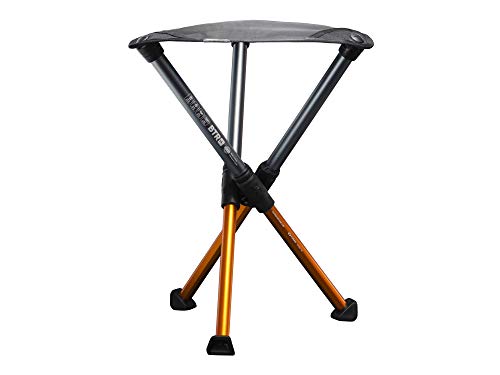
Hillsound BTR Ultralight Backpacking & Camping Stool
- ✓ Ultra-lightweight and portable
- ✓ Quick, secure setup
- ✓ Durable high-strength materials
- ✕ Slightly bulky at 20” size
- ✕ Limited to North America warranty
| Material | Aerospace grade 7001 aluminum alloy |
| Weight | Under 500 grams (13.2 oz to 17.4 oz depending on size) |
| Load Capacity | 240 lb (110 kg) |
| Dimensions (In Use) | Approximately 30.5×28.0x36.5 cm to 40.6x38x52 cm depending on size |
| Folded Size | Approximately 7.6×7.6×29.5 cm to 7.6×7.6×39.6 cm depending on size |
| Seat Material | Removable 100% nylon mesh with twist-off tabs |
Unfolding the Hillsound BTR Ultralight Stool for the first time feels like opening a tiny, high-tech treasure chest. It’s feather-light, weighing less than a can of soda, and the sleek aluminum frame glints softly in the daylight.
The design is surprisingly compact. It folds down to the size of an umbrella, fitting snugly into your backpack side pocket or even clipped onto a bike bottle cage.
When I extend the legs using the PhantomLock system, I immediately notice how smooth and confident the locks feel—no wobbles or slips, just sturdy support.
Handling the stool feels durable yet effortless. The upgraded alloy and reinforced components give it a solid, high-quality feel without adding weight.
The mesh seat is a clever touch—easy to detach, breathable, and comfortable enough for longer sits during a hike or fishing trip.
Setting it up takes less than ten seconds—just unhook, extend, twist, and you’re ready to go. It’s perfect for those quick rest breaks or when you need a stable spot to change lenses or take a shot during your outdoor adventures.
Despite its lightweight build, it boasts a strong load capacity of 240 pounds, which is more than enough for most users. The materials, like aerospace-grade aluminum, feel premium and durable, promising a long lifespan even with frequent use.
The only downside? The 20-inch version is a bit bulkier and heavier than the smaller sizes, which might matter if ultra-minimalism is your goal.
Still, for its versatility and strength, it’s a stellar companion for any outdoor enthusiast.
What Constitutes the Best Ultralight Camera Backpacking Gear?
The best ultralight camera backpacking gear typically includes items that are lightweight yet durable, ensuring ease of transport while protecting your equipment.
- Ultralight Camera Backpack: A backpack designed specifically for camera gear, featuring lightweight materials and a comfortable fit.
- Compact Mirrorless Camera: A lightweight alternative to DSLRs, offering high-quality images without the bulk.
- Lightweight Tripod: Essential for stability in photos, these tripods are designed to be both portable and sturdy.
- Weatherproof Camera Bag: A protective case that safeguards your camera gear from moisture and dust while remaining lightweight.
- Fast Prime Lenses: Lenses that provide excellent image quality and are lighter than zoom lenses, perfect for backpacking.
- Portable External Hard Drive: Useful for backing up photos on the go, these drives are compact and lightweight.
- Camera Accessories Kit: A set of essential tools like cleaning supplies and spare batteries that are compact and essential for maintenance.
Ultralight Camera Backpack: A backpack designed specifically for camera gear, it typically features padded compartments to protect your equipment while maintaining a low weight. These backpacks often have adjustable straps for comfort during long hikes and are made from durable materials to withstand outdoor conditions.
Compact Mirrorless Camera: This type of camera offers high-quality image capture while being significantly lighter and smaller than traditional DSLRs. With interchangeable lenses and advanced features, they are perfect for photographers looking to minimize weight without sacrificing performance.
Lightweight Tripod: A lightweight tripod is crucial for achieving stability in your shots, especially in low light conditions. Many ultralight tripods are made from carbon fiber or aluminum, making them both sturdy and easy to carry while hiking.
Weatherproof Camera Bag: This type of bag is designed to protect your camera gear from rain, dust, and other environmental factors while being lightweight. A weatherproof bag usually features sealed zippers and durable materials to ensure your equipment stays safe during unpredictable weather.
Fast Prime Lenses: Fast prime lenses, which have a wide aperture, allow for better low-light performance and are generally lighter than zoom lenses. They are ideal for capturing sharp images with a shallow depth of field, making them excellent for portrait or landscape photography while minimizing weight.
Portable External Hard Drive: A portable external hard drive is essential for photographers who want to back up their images while on the trail. These drives are compact, lightweight, and provide ample storage space, ensuring that you don’t run out of space for your photos during long trips.
Camera Accessories Kit: A compact accessories kit typically includes cleaning tools, spare batteries, and memory cards, all designed to be lightweight and easy to pack. Having these essentials on hand ensures that you can maintain your gear and capture every moment without worrying about technical issues.
How Does an Ultralight Camera Backpack Enhance Your Photography Experience?
An ultralight camera backpack enhances your photography experience by providing convenience, comfort, and protection for your gear during outdoor adventures.
- Lightweight Design: Ultralight camera backpacks are designed to minimize weight, allowing photographers to carry essential gear without feeling burdened. This feature is crucial for long hikes or extended trips where every ounce counts.
- Customizable Compartments: Many ultralight backpacks come with customizable compartments or padding to securely hold camera bodies, lenses, and accessories. This organization not only protects the equipment but also allows for quick access when capturing spontaneous moments.
- Durable Materials: These backpacks are often made from high-quality, weather-resistant materials that safeguard your gear from the elements. This durability ensures that your equipment remains safe during unexpected rain or rough terrain.
- Comfortable Fit: Ultralight camera backpacks typically feature ergonomic designs with padded straps and back panels, promoting comfort during long treks. A well-fitted backpack can reduce fatigue and help you focus more on photography rather than discomfort.
- Versatility: Many ultralight backpacks are designed for various activities beyond photography, making them versatile options for outdoor enthusiasts. They often include features like hydration reservoirs or attachment points for trekking poles, enhancing their utility.
- Accessibility: Some ultralight camera backpacks are designed with quick-access pockets or side openings, enabling photographers to grab their cameras swiftly without needing to remove the entire pack. This is particularly useful for capturing fleeting wildlife or stunning landscapes.
What Key Features Should You Look for in an Ultralight Camera Backpack?
When searching for the best ultralight camera backpacking options, consider the following key features:
- Weight: The primary characteristic of an ultralight camera backpack is its weight. A lighter pack reduces the overall load you’ll carry, allowing for longer hikes without fatigue. Look for backpacks that weigh under 3 pounds, as this is generally considered ultralight.
- Storage Capacity: Ensure that the backpack has adequate storage for your camera gear, including compartments for lenses, bodies, and accessories. A capacity of around 30 to 50 liters is often ideal for balancing weight with enough space for gear and personal items.
- Weather Resistance: An ultralight backpack should have some form of weather resistance to protect your equipment from rain or moisture. Look for materials like ripstop nylon or polyester with water-resistant coatings, and consider additional features like rain covers for extra protection.
- Comfort and Fit: Comfort is crucial for long hikes, so ensure the pack has padded shoulder straps and an adjustable hip belt. Look for features like a breathable back panel for ventilation and a design that distributes weight evenly to minimize strain.
- Accessibility: Quick access to your camera gear is essential, especially for capturing spontaneous moments. Choose a backpack with side access zippers or top-loading designs that allow you to reach your equipment without having to unpack everything.
- Internal Organization: An effective internal organization system can help keep your gear tidy and easily accessible. Look for customizable dividers or padded compartments that can accommodate different camera sizes and shapes, preventing damage during transit.
- Durability: Since you’ll be exposing the backpack to outdoor conditions, it should be made from durable materials that can withstand abrasion and rough handling. Check for reinforced stitching and sturdy zippers to ensure longevity.
- Versatility: Consider a backpack that can adapt to various uses beyond photography, such as hiking or travel. Features like removable camera inserts or expandable compartments can enhance versatility without compromising weight.
What Are the Top Recommendations for Ultralight Camera Backpacks?
The top recommendations for ultralight camera backpacks combine functionality with weight efficiency, making them ideal for backpacking photographers.
- Peak Design Travel Backpack 45L: This versatile backpack features a unique design that expands from 35L to 45L, offering ample space for camera gear and travel essentials. Its lightweight yet durable material ensures it can withstand the rigors of outdoor use while providing quick access to your gear through side zippers.
- F-Stop Gear Ajna: Known for its modular design, the Ajna allows users to customize internal compartments with removable ICU (Internal Camera Units) to fit various setups. It is constructed from weather-resistant materials, making it suitable for unpredictable conditions while maintaining a lightweight profile.
- MindShift Gear BackLight 26L: This backpack features a rear-panel access system that allows you to retrieve your camera gear without having to take the backpack off. With a focus on comfort and support, it includes a padded back panel and adjustable straps to make carrying heavy equipment easier on long hikes.
- WANDRD PRVKE Series: This bag combines a sleek design with practicality, featuring a roll-top closure that provides expandable storage options. Its weather-resistant materials and laptop compartment make it an excellent choice for both outdoor adventures and urban photography.
- Tenba Solstice 20L: The Solstice is a compact and lightweight backpack designed specifically for photographers, providing easy access to gear from the side while offering a padded compartment for a laptop or tablet. It also includes a rain cover, ensuring that your equipment stays dry during unexpected weather changes.
What Packing Strategies Will Optimize Your Ultralight Backpacking Journey?
Several packing strategies can significantly enhance your ultralight backpacking experience, especially when it comes to carrying camera gear.
- Minimalist Equipment: Focus on carrying only essential camera gear, such as a lightweight mirrorless camera and a versatile lens. This reduces weight while ensuring you have the necessary tools to capture high-quality images.
- Proper Organization: Use packing cubes or pouches to compartmentalize your camera gear and other essentials. This not only keeps your backpack organized but also allows for quick access to your camera when needed.
- Multi-Functional Gear: Invest in multi-use items, like a tripod that can double as a walking stick or a rain cover that fits both your backpack and camera. This strategy minimizes the number of items you need to carry, thus reducing overall weight.
- Weight Distribution: Pack heavier items close to your back and distribute weight evenly throughout your backpack. This improves balance and comfort during your hike, making it easier to carry your gear over long distances.
- Food and Water Management: Plan your meals and water needs to minimize excess weight. Use lightweight, high-calorie snacks and consider carrying a collapsible water container to save space and weight.
- Clothing Layering: Instead of packing bulky clothing, opt for a layering system with lightweight, breathable fabrics. This allows you to adjust to changing weather conditions without overpacking.
- Compressible Packing: Use compressible bags for clothing and sleeping gear to save space in your backpack. This not only optimizes packing efficiency but also helps maintain a streamlined profile for easier hiking.
How Can You Keep Your Camera Gear Organized While Backpacking?
Keeping your camera gear organized while backpacking is essential for both accessibility and protection of your equipment.
- Ultralight Camera Backpack: An ultralight camera backpack is designed specifically for photographers who want to minimize weight while maximizing functionality. These backpacks typically feature padded compartments for camera bodies and lenses, as well as external pockets for quick access to accessories.
- Camera Inserts: Using camera inserts can help keep your gear organized within a regular backpack. These inserts are padded cases that fit snugly into your pack, providing protection and easy access to your camera and lenses without the bulk of a dedicated camera bag.
- Organizational Pouches: Organizational pouches are small, lightweight bags that can hold specific accessories like batteries, filters, and memory cards. They can be easily packed into your backpack and help prevent items from getting lost or damaged during your hike.
- Lens Caps and Filters: Always keep lens caps on when your camera is not in use to protect the glass from scratches and dirt. Additionally, use filter pouches to keep your filters organized and safe from breaking while on the trail.
- Tripod Attachment Systems: A good tripod attachment system allows you to carry your tripod securely without taking up valuable internal space. Many ultralight backpacks come with external straps or attachment points specifically designed for this purpose, ensuring that your tripod is easily accessible when needed.
- Waterproof Covers: Investing in waterproof covers for your camera gear can protect your equipment from rain or accidental spills. These covers can be compactly stored in your backpack and deployed quickly to safeguard your gear during unpredictable weather.
What Essential Accessories Should Accompany Your Ultralight Camera Setup?
When preparing for ultralight camera backpacking, certain accessories can enhance your experience and protect your gear.
- Ultralight Camera Backpack: A specialized backpack designed to carry camera gear while minimizing weight is essential. Look for models with padded compartments to protect your camera and lenses, while also featuring adjustable straps for comfort during long hikes.
- Compact Tripod: A lightweight tripod is crucial for stabilizing your camera, especially in low-light situations. Opt for a model made of carbon fiber or aluminum that folds up small and is easy to carry, allowing you to capture sharp images without the bulk.
- Extra Batteries: Carrying additional batteries is vital since shooting in remote locations can drain your power quickly. Choose lightweight, high-capacity batteries that fit your camera, and consider a portable charger to ensure you can recharge them on the go.
- Lens Filters: Having a few essential lens filters, such as polarizers or ND filters, can greatly improve your photography. These filters help manage reflections and light exposure, enhancing image quality without adding significant weight to your pack.
- Waterproof Camera Bag or Rain Cover: Protecting your gear from the elements is crucial during outdoor adventures. A waterproof bag or a rain cover that fits over your backpack can shield your camera from rain and moisture, ensuring your equipment stays safe and functional.
- Microfiber Cloth: A microfiber cloth is a lightweight accessory that can be a lifesaver for keeping your lenses clean. Dust, fingerprints, and water spots can affect image quality, so having a cloth handy allows for quick cleaning without scratching your equipment.
- Memory Cards: High-capacity and fast memory cards are necessary for storing your photos without running out of space. Consider carrying multiple cards to ensure you can capture all your moments without worrying about storage limitations.
- Camera Strap: A comfortable, lightweight camera strap can make a big difference in how you carry your camera. Opt for one that distributes weight evenly and allows for quick access to your camera, making it easier to capture spontaneous moments.
What Common Errors Should You Avoid When Backpacking with Camera Equipment?
When backpacking with camera equipment, it’s essential to avoid common errors to protect your gear and enhance your experience.
- Packing Too Much Gear: Excess weight can lead to fatigue and discomfort, making it harder to enjoy your hike. Focus on essential items, like a versatile lens and a lightweight camera body, to ensure you can easily carry your gear without compromising on quality.
- Neglecting Weather Protection: Failing to protect your camera from the elements can result in damage and loss of functionality. Invest in a waterproof camera bag or rain cover, and consider using lens filters to protect against moisture and dirt.
- Ignoring Accessibility: Having your camera buried deep in your backpack can cause you to miss spontaneous photo opportunities. Use an ultralight camera backpack with easy-access compartments or keep your camera in a side pocket for quick retrieval.
- Forgetting Spare Batteries and Memory Cards: Running out of power or storage can be a frustrating experience when you encounter breathtaking moments. Always pack extra batteries and memory cards in your bag, ensuring you’re prepared for long days in the field.
- Overlooking Camera Settings: Taking the time to adjust settings in the field can be cumbersome and may result in missed shots. Familiarize yourself with your camera’s settings and practice using them before your trip to ensure you’re ready to capture the perfect shot quickly.
- Not Testing Your Gear Before the Trip: Equipment malfunction can ruin your photography experience, so it’s vital to test all your gear beforehand. Make sure your camera functions properly, lenses are clean, and all accessories work as intended to avoid surprises on the trail.
- Choosing the Wrong Backpack: Using a non-specialized backpack can lead to discomfort and inadequate protection for your camera gear. Look for the best ultralight camera backpacking options that offer padded compartments and good weight distribution to keep your equipment safe and easy to carry.