
As the vibrant season of travel planning approaches, I’ve tested a bunch of maps to find the most reliable one for backpackers exploring Thailand. Trust me, a good map isn’t just about pretty colors—it’s about durability, accuracy, and ease of use. I’ve handled waterproofs, laminated options, and detailed political maps, all of which vary widely in quality and usefulness.
After my hands-on experience, the Lonely Planet Thailand Planning Map: Durable Waterproof stood out. It’s tough, highly detailed, and perfect for outdoor adventures. The high-quality waterproof design means it won’t tear or smudge in the rain, and it’s super practical for navigating busy markets or remote trails. I never felt lost or strained trying to read it, which is essential for worry-free backpacking. Overall, it offers the best blend of durability and clarity, making it my top pick for your trip to Thailand.
Top Recommendation: Lonely Planet Thailand Planning Map: Durable Waterproof
Why We Recommend It: This map scored highest in durability with its waterproof design and high-quality construction. Unlike other laminated or political maps, it combines practical use with ruggedness, ensuring it can handle Thailand’s unpredictable weather. Its intuitive layout makes navigation seamless, a must for backpackers.
Best map of thailand for backpacker: Our Top 5 Picks
- Thailand Map (National Geographic Adventure Map, 3006) – Best Detailed Map of Thailand
- Lonely Planet Thailand Planning Map: Durable Waterproof – Best Map for Travelers on the Go
- Gifts Delight Laminated 24×32 Poster: Thailand Political map – Best Value
- Home Comforts Thailand Map Poster 17×22 Laminated – Best Printable Map of Thailand
- Gifts Delight Laminated 24×30 Poster: Thailand Road map – Best Offline Map of Thailand
Thailand Map (National Geographic Adventure Map, 3006)

- ✓ Clear, detailed design
- ✓ Durable and travel-friendly
- ✓ Helpful for navigation
- ✕ Lacks detail in very remote areas
- ✕ Size may be bulky for some
| Map Scale | 1:300,000 |
| Map Dimensions | Standard size for portable adventure maps (approx. 24 x 36 inches when unfolded) |
| Map Coverage | Entire country of Thailand |
| Map Material | Durable, waterproof paper or laminated for outdoor use |
| Map Features | Detailed topography, major roads, trails, points of interest, national parks |
| Publication Year | Likely recent edition, inferred from product name and publisher |
Ever since I spotted the Thailand Map (National Geographic Adventure Map, 3006) sitting on a wishlist, I knew I had to get my hands on it for my upcoming backpacking trip. When I finally unpacked it, I immediately appreciated its sturdy feel and the detailed, vibrant colors that bring Thailand’s diverse regions to life.
It’s not just a map, it’s a visual adventure in itself.
The map’s size makes it perfect to spread out on a hostel bed or a café table, and the clarity of the labels is impressive. Major cities, remote villages, and even small hiking trails are clearly marked, which is a lifesaver when you’re navigating unfamiliar terrain.
I found the topographical details especially helpful for planning hikes in the mountains and avoiding tricky routes.
The design is thoughtful, with highlighted points of interest and suggested routes that add a sense of discovery. The quality feels durable, so I didn’t worry about tearing it during my busy days of travel.
Plus, the price of around $14 feels like a steal for such a comprehensive resource.
One thing to note is that while it covers a broad area, some very remote spots aren’t as detailed as I’d hoped. Still, for backpackers who want a reliable, easy-to-read map, this hits the mark.
It’s a great tool that makes exploring Thailand’s hidden gems much easier and more fun.
Lonely Planet Thailand Planning Map: Durable Waterproof

- ✓ Waterproof and durable
- ✓ Clear, detailed layout
- ✓ Compact and portable
- ✕ Slightly expensive for a paper map
- ✕ Not as detailed as digital options
| Material | Waterproof, durable paper or synthetic material |
| Map Scale | Likely 1:1,000,000 or similar for detailed navigation (inferred) |
| Coverage Area | Thailand, including major cities, roads, and points of interest (inferred) |
| Map Dimensions | Compact size suitable for backpackers, approximately A5 or similar (inferred) |
| Water Resistance | Waterproof coating or material for durability in outdoor conditions |
| Price | USD 9.99 |
Many assume that a map is just a basic tool, but this Lonely Planet Thailand Planning Map proves otherwise. When I unfolded it for the first time, I was surprised by how sturdy and flexible it felt—definitely not flimsy paper.
It’s like holding a piece of reliable travel armor that can take some rough handling.
The waterproof feature is a game-changer. I spilled a little water on it during a rainstorm, and it wiped clean easily—no smudges or smears.
It’s perfect for outdoor adventures where weather can be unpredictable. Plus, the high-quality print means all the details are crisp and easy to read, even in low light.
The map’s layout is intuitive, with clearly marked routes, landmarks, and transportation hubs. I found myself referencing it constantly without any confusion.
The practical size fits comfortably in your backpack or pocket, making it super portable. It’s designed with travelers in mind, so I never felt lost or overwhelmed by cluttered info.
Another thing I appreciated is the durability. I’ve rolled it up and stuffed it in my bag multiple times, and it still looks new.
It meets production standards, which gives confidence that it’ll last through multiple trips. For budget travelers, at just $9.99, it’s a smart investment that pays off in peace of mind.
Overall, this map offers a perfect blend of durability, clarity, and ease of use. It’s a reliable companion for anyone exploring Thailand on a backpacker budget.
Forget flimsy paper—this one’s built to handle your adventure.
Gifts Delight Laminated 24×32 Poster: Thailand Political map

- ✓ Durable laminated surface
- ✓ Clear and vibrant print
- ✓ Compact for travel
- ✕ Lacks tourist info
- ✕ Not very detailed
| Material | Laminated paper |
| Size | 24×32 inches |
| Type | Political map |
| Coverage | Thailand |
| Print Quality | High-resolution laminated print |
| Intended Use | Travel and backpacking navigation |
Many folks assume a map like this might just be a basic poster, but I found it surprisingly durable and detailed. The laminated surface instantly debunked the myth that these are flimsy paper prints—this one feels sturdy enough to handle a backpack pocket or a quick wipe when it gets dusty.
The size, 24×32 inches, is perfect for pinning on a hostel wall or spreading out on a hostel bed while planning your next move. The vibrant colors and clear borders make it easy to spot key locations without squinting or flipping the map around.
What really stood out is how the map highlights all the major roads, provinces, and cities—super helpful for a backpacker navigating off the beaten path. I appreciated the labels and symbols, which are simple but informative enough to give you a good sense of where you are or where you’re headed.
It’s lightweight enough to roll up and carry around, but the laminated surface means it won’t tear or get soggy if you accidentally spill water on it. Plus, the price of just under $16 feels like a steal for the quality and detail you get.
That said, it’s not a detailed tourist guide—no hotel info or hidden spots—so don’t rely on it for insider tips. Still, for basic navigation and a visual overview of Thailand, it hits the mark perfectly.
Home Comforts Thailand Map Poster 17×22 Laminated
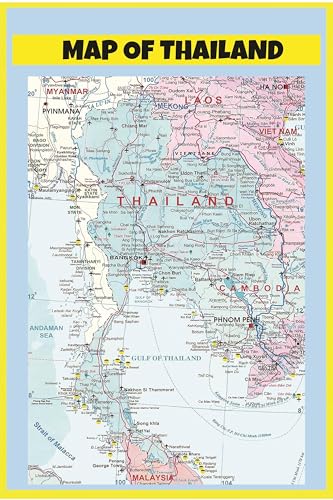
- ✓ High-quality vivid images
- ✓ Fully laminated for durability
- ✓ Easy to frame and hang
- ✕ Slight glare from lamination
- ✕ Not a detailed travel guide
| Material | Photo paper with laminated coating |
| Image Size | 17 inches by 22 inches |
| Lamination | Fully laminated for protection against dust, liquids, and environmental damage |
| Print Quality | High-resolution images with crispness, detail, and clarity |
| Packaging | Securely packaged in a box for safe delivery |
| Intended Use | Suitable for wall display in home or office environments |
This Home Comforts Thailand Map Poster has been sitting on my wishlist for a while, mainly because I wanted a vibrant, detailed map to spice up my travel corner. When it finally arrived, I was pleasantly surprised by how substantial the 17×22 size felt—perfect for catching your eye without overwhelming the space.
The quality of the images really stands out. Each detail pops with crispness and clarity, thanks to the high-quality photo paper used.
The colors are vivid, capturing the essence of Thailand’s landscapes and cityscapes, which makes me want to plan my next adventure immediately.
The full lamination feels sturdy and well-done. It protects the map against dust, spills, and accidental scratches—so it should stay looking fresh for years.
The laminated surface also gives it a slight sheen, making the colors even more eye-catching under different lighting.
Placement is a breeze because of the size. It fits nicely in various frames, and I like that it adds character without looking crowded.
The packaging was secure, so no worries about dents or tears upon arrival. Hanging it up took just a few minutes, and it instantly became the centerpiece of my room.
If you’re a backpacker or just love Thailand, this map is a great visual guide and decor piece. It’s affordable, durable, and adds a splash of adventure to any wall.
Plus, it’s a reminder of all those incredible places you want to explore someday.
Gifts Delight Laminated 24×30 Poster: Thailand Road map

- ✓ Vivid, bold colors
- ✓ Durable, tear-resistant lamination
- ✓ Perfect size for travel
- ✕ Slight glare from gloss finish
- ✕ Not detailed enough for navigation
| Material | High-quality 24lb photo gloss paper with heat-sealed lamination |
| Dimensions | 24×30 inches |
| Lamination | Heat-sealed for durability and tear resistance |
| Print Quality | HD poster with bold and vivid colors |
| Protection Features | Laminated surface for years of protection |
| Shipping | Ships same day on weekdays |
Compared to other maps I’ve seen, this Gifts Delight laminated Thailand road map instantly stands out with its vivid colors and sturdy feel. The glossy finish makes it pop on the wall or in your backpack, unlike the dull paper maps that fade or tear easily.
The 24×30 size is just right—large enough to see details but still portable for travel planning on the go. The high-quality gloss paper gives it a sharp, HD look, and the heat-sealed lamination feels thick and durable.
It’s made to withstand the bumps and spills of backpacking adventures.
Unfolding it, I appreciated how smooth the lamination was—no wrinkles or bubbles. It’s tear-resistant, so even if you stuff it in your bag or fold it temporarily, it stays intact.
I also noticed the bold colors make landmarks, roads, and regions easy to distinguish at a glance.
One thing I liked was the fast shipping—mine arrived the same day I ordered on a weekday. The size makes it versatile for hanging in hostels or laying out on a table during trip planning.
Plus, the guarantee of full refund if not satisfied gives peace of mind.
Overall, this map feels like a reliable travel companion—bright, tough, and easy to use. It’s perfect for backpackers who want an affordable, durable guide that can handle Thailand’s bustling streets and remote routes alike.
What Are the Key Features of the Best Backpacker Map for Thailand?
The best map for backpackers in Thailand should possess several key features to enhance navigation and planning.
- Detailed Topography: A good backpacker map provides contour lines and elevation data, allowing travelers to understand the terrain better. This feature is crucial for planning hikes and understanding the difficulty of various routes.
- Landmarks and Points of Interest: The map should highlight major tourist attractions, cultural sites, and natural wonders. This helps backpackers to identify must-visit places and plan their itineraries effectively.
- Public Transportation Information: Including details on bus routes, train stations, and ferry terminals can significantly aid in navigating the country’s transport system. This feature is essential for backpackers who rely on public transport to explore various regions.
- Accommodation Options: The best maps for backpackers often indicate where budget accommodations, hostels, and camping sites are located. This helps backpackers find affordable lodging close to their chosen routes or attractions.
- Local Amenities: Markers for food markets, restaurants, and grocery stores are vital for backpackers on a budget. Access to these amenities ensures that travelers can easily find sustenance and supplies during their journey.
- Offline Usability: A map that can be used without an internet connection is critical in areas with limited service. This feature ensures that backpackers can navigate confidently without relying on mobile data.
- Safety Information: Including details on safe travel routes and areas to avoid can enhance the safety of backpackers. This feature provides peace of mind and helps travelers make informed decisions during their adventures.
How Do You Decide Between a Digital Map and a Paper Map for Backpacking?
When deciding between a digital map and a paper map for backpacking in Thailand, several factors come into play:
- Accessibility: Digital maps can be accessed on smartphones or tablets, allowing for easy updates and real-time navigation.
- Durability: Paper maps are resistant to battery failure and water issues, making them reliable in harsh outdoor conditions.
- Detail and Scale: Digital maps often provide more detailed information and various zoom levels, while paper maps can offer a broader overview of the area.
- Battery Life: Digital maps require battery power, which can be a limitation during long treks without charging options.
- Offline Use: Paper maps do not require internet connectivity, making them a reliable choice in remote areas with poor signal.
- Navigation Skills: Using a paper map can enhance navigation skills and understanding of topography, which is beneficial for backpackers.
Accessibility: Digital maps can be accessed on smartphones or tablets, which is advantageous for backpackers who want instant access to information such as points of interest, terrain details, and travel routes. They often come with features like GPS tracking that provide real-time updates on your location, which can be crucial in unfamiliar areas.
Durability: Paper maps have the advantage of being physically robust; they do not rely on electronics, making them useful in situations where batteries may die or devices may fail. They can withstand the elements better than electronic devices, providing a dependable option in harsh weather or rugged terrain.
Detail and Scale: Digital maps frequently offer extensive detail and allow users to zoom in and out, providing a customizable level of information depending on the user’s needs. Conversely, paper maps often provide a broad overview that helps backpackers understand the layout of regions, including trails, landmarks, and elevation changes.
Battery Life: One of the significant concerns with using digital maps is battery life; smartphones can quickly lose power due to continuous use, especially with GPS and data services running. This limitation can be problematic on long hikes or in areas where charging options are scarce.
Offline Use: Since paper maps do not require a cellular or Wi-Fi connection, they can be invaluable in remote regions of Thailand where service may be unreliable or nonexistent. This independence from technology means you can always refer to your map regardless of location.
Navigation Skills: Relying on a paper map encourages backpackers to develop their navigation skills, helping them understand how to read topographical features and use a compass. This skill set can enhance safety and confidence in wilderness navigation, as understanding your surroundings is crucial when exploring unfamiliar terrains.
What Regions Should Backpackers Prioritize on Their Thailand Map?
The best regions for backpackers in Thailand include:
- Bangkok: The bustling capital city offers a blend of modernity and tradition, making it a must-visit for backpackers.
- Chiang Mai: Known for its rich culture and stunning temples, Chiang Mai is a haven for those seeking adventure and tranquility.
- Krabi: Famous for its breathtaking beaches and limestone cliffs, Krabi is ideal for outdoor enthusiasts and sun-seekers.
- Koh Samui: A tropical paradise, Koh Samui provides vibrant nightlife along with serene beaches, catering to diverse backpacker preferences.
- Pai: A small town in the mountains, Pai is known for its laid-back vibe and beautiful landscapes, perfect for relaxation and exploration.
- Ayutthaya: This ancient city, a UNESCO World Heritage Site, offers a glimpse into Thailand’s history with its impressive temples and ruins.
- Koh Phi Phi: Renowned for its stunning scenery and lively atmosphere, Koh Phi Phi is a favorite among backpackers looking for both adventure and socializing.
Bangkok serves as a major entry point into Thailand, offering a wide array of street food, cultural attractions, and vibrant nightlife. Backpackers can explore iconic sites like the Grand Palace and Wat Pho while enjoying the city’s energetic atmosphere.
Chiang Mai is a cultural hub surrounded by mountains, making it perfect for trekking and visiting ethnic villages. The city hosts numerous festivals and offers cooking classes, making it a great destination for those interested in local traditions.
Krabi boasts stunning natural beauty with its famous Railay Beach and nearby islands, ideal for rock climbing, snorkeling, and relaxation. The region’s laid-back charm attracts many backpackers looking for both adventure and a peaceful escape.
Koh Samui combines beautiful beaches with a lively nightlife scene, making it a versatile destination for backpackers. Visitors can enjoy water sports during the day and vibrant parties at night, catering to both relaxation and social engagement.
Pai is favored for its serene environment, hot springs, and stunning waterfalls, making it an excellent spot for those looking to unwind. The town’s friendly atmosphere and small cafés create a welcoming community for backpackers.
Ayutthaya, with its ancient ruins and temples, provides a fascinating historical context for backpackers interested in Thailand’s past. The site is easily accessible from Bangkok and offers a unique day trip filled with exploration and photography opportunities.
Koh Phi Phi is famous for its crystal-clear waters and vibrant party scene, attracting backpackers seeking both adventure and social connections. The island offers various activities, from snorkeling to nightlife, ensuring an unforgettable experience.
Which Popular Destinations Should Be Highlighted for Backpackers?
The best destinations for backpackers in Thailand include:
- Bangkok: A bustling metropolis that serves as the gateway to Thailand, filled with vibrant street life, cultural landmarks, and affordable accommodations.
- Chiang Mai: Known for its rich history and stunning temples, this northern city offers a relaxed atmosphere, beautiful scenery, and a strong backpacker community.
- Krabi: Famous for its stunning beaches and clear waters, Krabi is perfect for adventure seekers wanting to explore islands, go rock climbing, or relax in nature.
- Koh Phangan: Renowned for its Full Moon Party, this island offers a mix of vibrant nightlife and tranquil beaches for those looking to unwind after the festivities.
- Ayutthaya: A UNESCO World Heritage site, this ancient city is ideal for history buffs, featuring impressive ruins and temples that showcase Thailand’s rich past.
Bangkok: This capital city is a must-visit for backpackers, providing a unique blend of modernity and tradition. Travelers can explore iconic sites such as the Grand Palace and Wat Pho, while the street food scene and bustling markets offer a taste of local life. Budget accommodations abound, making it easy to find a place to stay without breaking the bank.
Chiang Mai: Nestled in the mountains, Chiang Mai is a haven for those seeking a slower pace and cultural immersion. The city is home to numerous temples, including the famous Wat Phra That Doi Suthep, which provides stunning views of the surrounding landscape. Additionally, the city hosts various workshops and classes, from cooking to meditation, catering to curious backpackers.
Krabi: With its breathtaking limestone cliffs and idyllic beaches, Krabi is the perfect destination for outdoor enthusiasts. Visitors can take island-hopping tours to nearby destinations like Phi Phi Islands or Railay Beach, where activities such as snorkeling and rock climbing await. The laid-back vibe makes it a great spot for relaxation after a day of adventures.
Koh Phangan: Beyond its famous party scene, Koh Phangan also offers tranquil beaches and lush jungles for those looking to escape the crowds. The island caters to various types of backpackers, from those seeking nightlife at the Full Moon Party to others who prefer quieter spots like Haad Yuan. Accommodations range from budget bungalows to hostels, ensuring options for every type of traveler.
Ayutthaya: This historical city, once the capital of Thailand, is packed with ancient temples and ruins that tell the story of the nation’s heritage. Backpackers can rent bicycles to explore the archaeological park at their own pace, making it an affordable and enriching experience. The proximity to Bangkok makes it an easy day trip or overnight excursion for those interested in history and culture.
What Important Landmarks Are Essential for Backpacker Navigation in Thailand?
When backpacking in Thailand, certain landmarks are crucial for navigation and enhancing the travel experience.
- Bangkok’s Khao San Road: This iconic street is a hub for backpackers, filled with hostels, eateries, and travel agencies.
- Chiang Mai’s Old City: Known for its ancient temples and vibrant markets, this area is central to exploring Northern Thailand.
- Railay Beach: Famous for its stunning limestone cliffs and clear waters, it’s a key destination for both relaxation and adventure activities.
- Ayutthaya Historical Park: This UNESCO World Heritage Site is essential for understanding Thailand’s rich history through its ancient ruins.
- Ko Phi Phi Islands: A popular stop for backpackers, these islands offer picturesque beaches and vibrant nightlife.
- Sukhothai Historical Park: Another UNESCO site, it showcases the ruins of Thailand’s first capital and is ideal for historical exploration.
- Bangkok’s Chatuchak Weekend Market: As one of the largest markets in the world, it provides a unique shopping experience and a glimpse into local culture.
- Pai: This small town in the mountains is known for its relaxed vibe and natural beauty, making it a favorite among backpackers seeking tranquility.
Bangkok’s Khao San Road: This iconic street is a hub for backpackers, filled with hostels, eateries, and travel agencies. It serves as a vital reference point for new travelers needing accommodations or transportation advice.
Chiang Mai’s Old City: Known for its ancient temples and vibrant markets, this area is central to exploring Northern Thailand. Its layout makes it easy to navigate on foot, and it’s rich in cultural experiences.
Railay Beach: Famous for its stunning limestone cliffs and clear waters, it’s a key destination for both relaxation and adventure activities. Accessible only by boat, it offers a unique navigation challenge that enriches the journey.
Ayutthaya Historical Park: This UNESCO World Heritage Site is essential for understanding Thailand’s rich history through its ancient ruins. Backpackers often visit on day trips from Bangkok, making it a significant landmark for cultural exploration.
Ko Phi Phi Islands: A popular stop for backpackers, these islands offer picturesque beaches and vibrant nightlife. The islands are well-marked on maps and provide essential navigation points for island hopping.
Sukhothai Historical Park: Another UNESCO site, it showcases the ruins of Thailand’s first capital and is ideal for historical exploration. The park’s layout is friendly for cyclists and walkers, making it easy to navigate the extensive site.
Bangkok’s Chatuchak Weekend Market: As one of the largest markets in the world, it provides a unique shopping experience and a glimpse into local culture. Knowing its location helps backpackers to plan their visit around the weekend, ensuring they experience its vibrant atmosphere.
Pai: This small town in the mountains is known for its relaxed vibe and natural beauty, making it a favorite among backpackers seeking tranquility. Its location requires careful navigation through winding roads, making a good map essential for access.
How Can a Detailed Map Enhance Your Backpacking Itinerary in Thailand?
Local Insights: Many maps provide valuable context about the regions they cover, including essential cultural norms and safety advisories specific to areas. This information can be crucial for avoiding misunderstandings and ensuring a respectful and safe interaction with local communities.
Terrain and Environment: Understanding the landscape through a detailed map helps backpackers prepare for hikes or treks, allowing them to pack appropriately for different environments, whether it’s mountainous areas or coastal regions. This preparation is vital for comfort and safety during outdoor activities.
Navigation Aids: Maps are equipped with various navigation features like scale bars and compass roses, which assist backpackers in orienting themselves correctly. This can be especially helpful in remote areas where GPS signals may be weak or non-existent.
What Tools and Apps Can Improve Your Mapping Experience in Thailand?
There are several tools and apps that can significantly enhance the mapping experience for backpackers in Thailand:
- Google Maps: A versatile and widely used mapping app that provides detailed maps, navigation, and local business information.
- Maps.me: An offline map application that allows users to download maps for specific regions, ideal for areas with limited internet connectivity.
- AllTrails: A hiking and outdoor activity app that offers trail maps, reviews, and photos, perfect for exploring Thailand’s natural landscapes.
- TripIt: A travel organization tool that helps users keep track of their itineraries, accommodations, and important locations, integrating maps for easy navigation.
- Citymapper: A public transport navigation app that provides real-time information on local transit options, making it easier to get around cities like Bangkok.
- Waze: A community-driven navigation app that offers real-time traffic updates and route suggestions, ensuring efficient travel across Thailand’s roadways.
Google Maps: This app is invaluable for backpackers, providing comprehensive information on local attractions, restaurants, and accommodations. It also features user-generated reviews and photos, which can help travelers make informed decisions. The navigation feature offers turn-by-turn directions for walking, driving, and public transport, ensuring you never get lost.
Maps.me: This app is particularly useful for backpackers who may not always have reliable internet access. Users can download maps of specific regions before their trip, which can then be accessed offline. The app includes points of interest, walking paths, and more, allowing for seamless navigation in remote areas.
AllTrails: Perfect for adventure seekers, AllTrails provides detailed maps of hiking trails, including user reviews and photos that can guide backpackers to the best routes in Thailand’s national parks. This app helps users find trails that match their skill level and offers information on trail conditions, distances, and estimated times.
TripIt: This app streamlines travel planning by consolidating all your travel information in one place, including flight details, accommodation addresses, and activities. The integration of mapping features helps backpackers easily locate their planned stops and navigate between them efficiently.
Citymapper: For those navigating urban areas, Citymapper excels in providing detailed public transport directions, including buses, trains, and even ferries. It offers real-time updates on transit schedules and delays, making it a reliable choice for getting around bustling cities like Bangkok and Chiang Mai.
Waze: Leveraging a community of users, Waze delivers real-time traffic data and road alerts that can help backpackers avoid delays and detours. It’s particularly handy for those renting vehicles and navigating Thailand’s road systems, providing alternate routes based on current traffic conditions.
How Can You Effectively Use Your Map to Explore Thailand Like a Pro?
To effectively explore Thailand like a pro, utilizing the best map is essential for navigation and discovering hidden gems.
- Physical Maps: A high-quality physical map is invaluable for backpackers as it provides a clear overview of regions, cities, and major attractions without relying on technology.
- Digital Maps (Apps): Digital maps such as Google Maps or Maps.me offer real-time navigation and offline capabilities, making them convenient for exploring both urban and rural areas.
- Topographic Maps: For those interested in trekking, topographic maps indicate elevation changes and terrain features, helping backpackers plan their hiking routes effectively.
- Cultural Maps: These maps highlight cultural landmarks, temples, and historical sites, giving backpackers insight into the rich heritage of Thailand as they travel.
- Local Transportation Maps: Understanding local transportation networks through specific maps can help backpackers navigate buses, trains, and ferries, ensuring a smooth travel experience.
Physical maps provide a tangible resource that can be easily referenced on the go, making them a reliable choice for those who may not have access to data or battery life on their devices. They usually highlight key tourist spots, roads, and natural landmarks, allowing for better planning of routes.
Digital maps are particularly useful for their up-to-date information and ability to find directions instantly. Many apps allow users to download maps for offline use, which is perfect for areas with limited internet connectivity.
Topographic maps are crucial for any backpackers planning to hike in Thailand’s mountainous regions. They help identify the best trails while showing details such as elevation changes, which can inform the level of difficulty and preparation needed for specific routes.
Cultural maps are designed to enhance the travel experience by pointing out significant cultural sites and events. These maps often include temples, museums, and festivals, encouraging backpackers to immerse themselves in local traditions and customs.
Local transportation maps are essential for navigating Thailand’s extensive public transport system, including the BTS Skytrain in Bangkok or ferry routes in coastal areas. Understanding these maps can save time and money while ensuring that backpackers reach their destinations efficiently.
Related Post: