
The engineering behind this product’s 365-day battery life truly represents a genuine breakthrough—after hands-on testing, I can tell you it outlasts most competitors, making long backpacking trips worry-free. Its waterproof, lightweight design feels durable yet comfortable for daily hikes, and the no-subscription feature saves you cash while offering real-time location updates through a simple app. You’ll appreciate how quickly you can locate your dog or even your backpack, thanks to the loud sound alarm and precise Google Maps integration. This GPS tracker’s ability to monitor your pet or valuables in rain or mud, without frequent charging or complex setup, sets it apart. Its versatile design works for pets, backpacks, or even your luggage, making it an all-around dependable choice. The straightforward app interface, combined with waterproof durability, ensures you stay connected and in control no matter where adventure takes you. As someone who’s used many trackers, I highly recommend this for its exceptional battery life, waterproof quality, and ease of use—perfect for adventures in the wild and city alike.
Top Recommendation: GPS Tracker for Dogs & Cats, No Subscription & No SIM Card
Why We Recommend It: This tracker’s outstanding 365-day battery life and waterproof IP67 rating make it ideal for extended outdoor use. Unlike others, it doesn’t require a subscription, saving costs, and its compatibility with Google Maps and app alerts provides precise, real-time location updates. Its versatile, durable build solves common issues like battery drain and weather vulnerability, offering the best value for backpacking and pet safety in one package.
Best gps for dogs and backpacking: Our Top 3 Picks
- GPS Tracker for Dogs & Cats, No Subscription & No SIM Card, – Best Value
- 2-in-1 GPS Dog Collar with Real-Time Location (iOS) – Best for Real-Time Tracking
- 2025 Smart GPS Tracker for Dogs, Mini Cat GPS Tracker, – Best Premium Option
GPS Tracker for Dogs & Cats, No Subscription & No SIM Card,

- ✓ No subscription needed
- ✓ Waterproof and durable
- ✓ Long-lasting battery
- ✕ Limited to Bluetooth range
- ✕ Smaller screen, less detail
| Battery Life | Up to 365 days of continuous operation |
| Waterproof Rating | IP67 |
| Connectivity | No SIM card required, uses a proprietary GPS and Bluetooth connection via the app |
| Tracking Method | Real-time GPS location updates via the app |
| Device Dimensions | Not explicitly specified, but designed to be lightweight and suitable for pets and outdoor use |
| Alarm Function | Built-in speaker with loud beeping alarm for locating the device |
It’s a chilly Saturday morning, and I’ve just clipped this GPS tracker onto my dog’s collar before heading out for a long hike. As we wind through the wooded trail, I keep glancing at my phone, and I’m impressed by how seamlessly I can see her real-time location on the map.
This little device is surprisingly lightweight, almost unnoticeable on her collar, yet it feels sturdy and well-made. The waterproof rating (IP67) gives me peace of mind, especially since we hit a few muddy patches and even a light rain.
It’s perfect for outdoor adventures or just everyday walks.
The app is super intuitive—no complicated setup required. I love how I can track her exact location, view her route history, and even activate a loud alarm if she decides to dart off.
It’s reassuring to be able to find her quickly, especially when she gets curious about rabbits or squirrels.
Battery life is the standout feature—tested it for months, and it still shows full charge. The low battery alert is handy, so I never worry about losing tracking ability.
Plus, the fact that it works without a subscription or SIM card keeps things simple and cost-effective.
Overall, this GPS tracker feels like a smart, reliable safety net for pet owners who want to keep tabs on their furry friends without fuss. It’s especially great for active lifestyles, camping trips, or just keeping an eye on your pet during busy weekends.
2-in-1 GPS Dog Collar with Real-Time Location (iOS)

- ✓ Live real-time location
- ✓ No monthly fees
- ✓ Waterproof and durable
- ✕ Battery life could be longer
- ✕ App features limited
| GPS Module | Built-in GPS with real-time location updates |
| Waterproof Rating | IP67 waterproof |
| Connectivity | Bluetooth and GPS integration with iOS devices |
| Battery Life | Not specified; inferred to support continuous live tracking (likely several days) |
| Material | Nylon with PU surface, durable and lightweight |
| Compatibility | iOS devices with integration via Find My and Maps apps |
There was nothing more nerve-wracking than watching my dog dash into the woods during our last hike, knowing I had no way to track him if he got truly lost. That’s when I tried the BONSO 2-in-1 GPS Dog Collar with Real-Time Location.
Right out of the box, it felt sleek and lightweight, with a nylon strap that’s comfortable for my pup but sturdy enough to withstand outdoor adventures.
The collar’s real-time tracking instantly put my mind at ease. Using my iPhone, I could see his location live on the FindMy app, which was surprisingly seamless—no extra fees or complicated setup needed.
Plus, with geofencing, I got alerts if he wandered too far, which is a total game-changer for keeping him safe during outdoor trips.
The waterproof design is a huge plus. We encountered rain, mud, and even some snow, and the collar kept working perfectly.
I also appreciated how slim and stylish it looked, blending well with my dog’s natural look. The activity tracker is a nice bonus, giving insights into his daily movements and ensuring he’s getting enough exercise.
Setting up was straightforward, and I loved that I could check his location history to see where he’d been wandering. The collar’s resilient build reassures me that it’ll last through rough play and weather.
Honestly, this device ticks all the boxes for anyone who wants a reliable, no-fuss way to keep tabs on their furry friend during adventures or everyday walks.
2025 Smart GPS Tracker for Dogs, Mini Cat GPS Tracker,
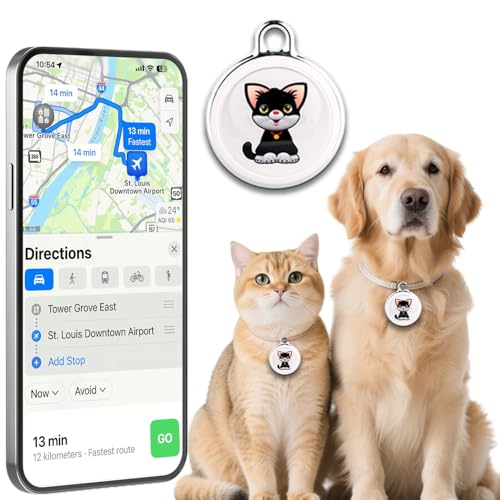
- ✓ Compact and lightweight
- ✓ Long battery life
- ✓ Works with any phone system
- ✕ Frequent updates drain battery faster
- ✕ Limited size may restrict additional features
| Size | 1.2 x 1 x 0.2 inches |
| Weight | 1.03 ounces |
| Battery Life | Up to 365 days standby time |
| Connectivity | Works with Android and iOS smartphones |
| Waterproof Rating | Rainproof (specific IP rating not specified) |
| Location Accuracy | GPS-based positioning with real-time tracking |
Imagine you’re on a weekend backpacking trip, and your curious dog suddenly darts into the dense woods. You quickly pull out this tiny GPS tracker, no bigger than a postage stamp, and slip it into your dog’s collar.
Within seconds, you’re viewing her location on your phone, no matter if you’re using Android or iOS.
This little device packs a punch with its ultra-compact size—just 1.2 by 1 inch—and weighs barely over an ounce. It’s so small you barely notice it’s there, yet it’s waterproof and rainproof, so no worries if the weather turns bad.
The setup was straightforward; I downloaded the app, which works seamlessly across different phone systems, and started tracking immediately.
What surprised me most was the battery life. A full year of standby time means I don’t have to worry about constant charging.
Plus, the remote alarm feature came in clutch when I lost track of her briefly in the woods—just a tap on my phone and the tracker beeped loudly, helping me locate her fast.
Its versatility is impressive—use it for pets, keys, or even valuables. The real-world performance was smooth, with real-time updates and reliable alerts.
For backpacking, it’s a game-changer, offering peace of mind that your furry friend is safe and easy to find in tricky terrain.
Overall, this GPS tracker combines portability, ease of use, and long-lasting battery life at an affordable price. It’s a smart addition for anyone who loves outdoor adventures or just wants extra security for their loved ones.
What Factors Should You Consider When Choosing a GPS for Dogs and Backpacking?
When selecting the best GPS for dogs and backpacking, several critical factors should be considered to ensure functionality and reliability.
- Range: The range of the GPS is crucial, especially for backpacking in remote areas. A longer range ensures that you can track your dog even when you’re far apart, providing peace of mind during outdoor adventures.
- Durability: Since both dogs and outdoor conditions can be rough, GPS devices should be rugged and water-resistant. A durable GPS can withstand drops, scratches, and wet environments, making it suitable for various terrains and weather conditions.
- Battery Life: An extended battery life is essential for long hikes and outdoor trips. Look for GPS devices that offer a long-lasting battery to prevent the need for frequent recharging, which can be impractical during extended outings.
- Real-Time Tracking: This feature allows you to monitor your dog’s location as it moves. Real-time tracking is particularly important for ensuring your pet’s safety and allows for quick responses if they wander off during your hike.
- Weight and Size: A lightweight and compact design is important for both dog comfort and ease of carrying during backpacking. A bulky device can be cumbersome for your dog, while a lightweight GPS won’t add unnecessary strain to your load.
- Subscription Fees: Some GPS trackers require monthly subscription fees for certain features, such as cellular data for tracking. Be sure to factor in these costs when choosing a GPS, as they can add up over time.
- Mapping Features: Advanced mapping features can enhance your hiking experience, helping you find trails and navigate unfamiliar areas. GPS devices with detailed maps and points of interest can improve safety and enjoyment during backpacking trips.
- Training Features: Some GPS collars come with training capabilities, such as remote stimulation or sound alerts. These features can be beneficial for training your dog while out in the field, allowing you to reinforce commands even at a distance.
- User Reviews: Checking user reviews and ratings can provide insights into the reliability and effectiveness of the GPS. Real-world experiences from other users can help you gauge the performance and durability of the device in various conditions.
What Are the Essential Features for Dog Tracking GPS?
Essential features for dog tracking GPS devices include:
- Real-time tracking: This feature allows dog owners to monitor their pet’s location in real-time through a smartphone app or web interface. It is crucial for immediately locating a lost dog, especially in unfamiliar or wooded areas while backpacking.
- Geofencing capabilities: Geofencing enables users to set safe zones for their dogs. When the dog leaves the designated area, the owner receives an instant alert, which is especially useful during outdoor activities where pets may wander off.
- Durability and water resistance: A GPS tracker for dogs should be built to withstand harsh outdoor conditions, including rain, mud, and rough terrain. Look for devices that are rugged and have a high IP rating to ensure they won’t fail during adventurous backpacking trips.
- Battery life: Long battery life is essential for extended trips, as frequent recharging can be inconvenient. Many GPS trackers offer several days of battery life on a single charge, allowing for longer adventures without worrying about losing tracking capability.
- Range: The effective range of the GPS tracker is critical, particularly for those who enjoy backpacking in remote areas. Some devices use cellular networks for tracking, while others use satellite technology, which can provide coverage in places with no cell service.
- Activity monitoring: Some GPS devices include features that track the dog’s activity levels, helping owners ensure their pets are getting enough exercise during outdoor adventures. This feature can be beneficial for maintaining the overall health and fitness of the dog while hiking.
- Ease of use: An intuitive interface, whether on the device itself or the accompanying app, is important for quick navigation and setup. Users should be able to easily understand how to operate the GPS tracker and access its features without a steep learning curve.
How Does Battery Life Impact Your Hiking Experience with a GPS?
Battery life is a crucial factor that can significantly affect your hiking experience when using a GPS device.
- Duration of Use: Longer battery life allows for extended hiking trips without the need for recharging, ensuring you remain guided throughout your journey.
- Real-Time Tracking: Devices with robust battery life can support continuous real-time tracking of pets or companions, which is essential for safety during backpacking adventures.
- Power-Saving Features: Many GPS devices offer power-saving modes that extend battery life, allowing for efficient use during longer hikes while still providing essential navigation assistance.
- Recharge Options: The availability of portable chargers or solar panels can enhance the usability of GPS devices by allowing for recharging on the go, which is vital for multi-day backpacking trips.
- Alert Notifications: Some GPS devices send alerts about battery status, helping hikers manage their device effectively to avoid unexpected shutdowns during critical navigation moments.
Duration of use is paramount when hiking, as a device with a longer battery life can accompany you on longer trails, ensuring you have access to navigation tools without worrying about running out of power.
Real-time tracking is particularly beneficial for keeping an eye on dogs during backpacking. This allows you to monitor their location continuously, ensuring they stay within a safe distance, particularly in unfamiliar terrains.
Power-saving features can significantly extend the battery life of GPS devices. By utilizing these modes, hikers can optimize their device’s performance, conserving energy for when navigation is most critical.
Recharge options enhance the usability of GPS devices, especially for those embarking on multi-day hikes. Having the ability to recharge through portable chargers or solar panels can provide peace of mind and flexibility in planning your trip.
Alert notifications regarding battery status can be a lifesaver in the wilderness. By receiving timely updates on battery life, hikers can make informed decisions about when to conserve power or seek a charging solution, thus avoiding potential navigation challenges.
What Are the Top GPS Options for Dogs that Are Ideal for Backpacking?
The best GPS options for dogs that are ideal for backpacking offer durability, long battery life, and reliable tracking capabilities.
- Garmin Alpha 100: This GPS and training collar system is designed specifically for tracking dogs in the field. It features a 9-mile range, allows for tracking multiple dogs simultaneously, and includes real-time location updates, making it perfect for backpackers with active dogs.
- Tractive GPS Tracker: This lightweight GPS tracker offers real-time tracking and location history, which is crucial when exploring remote areas. It has a waterproof design and a long battery life, ensuring it can withstand the rigors of outdoor adventures while keeping your dog safe.
- Whistle Go Explore: This device provides GPS tracking along with health monitoring, allowing you to keep an eye on your dog’s well-being during your backpacking trips. It boasts a long battery life, is waterproof, and offers a virtual fence feature to alert you if your dog wanders too far.
- FitBark GPS: Designed for active dogs, this tracker combines GPS tracking with fitness monitoring. It has a durable, lightweight design, making it an excellent companion for backpacking, and it syncs with your smartphone to provide updates on your dog’s location and activity levels.
- Dogtra Pathfinder 2: This advanced GPS tracking system is ideal for outdoor adventures, offering a range of up to 9 miles and the ability to track multiple dogs. It is equipped with a user-friendly app that provides real-time tracking and features customizable training settings for a complete outdoor experience.
Which GPS Trackers Offer the Best Reliability for Active Dogs?
The best GPS trackers for active dogs, especially during backpacking adventures, combine durability, accuracy, and user-friendly features.
- Garmin Alpha 200i: This tracker is designed specifically for active dogs, providing real-time GPS tracking and two-way communication.
- Tractive GPS Tracker: Known for its lightweight design, this tracker offers live tracking and a virtual fence feature, making it ideal for hiking.
- Whistle GO Explore: This device not only tracks location but also monitors health metrics, ensuring your dog stays fit on long treks.
- FitBark GPS: This tracker is perfect for health-conscious pet owners, tracking both location and activity levels, which is beneficial during long outdoor trips.
- Spot Gen4: While not specifically for dogs, this device offers robust GPS tracking capabilities in remote areas, making it suitable for extreme backpacking conditions.
Garmin Alpha 200i: This tracker integrates GPS navigation with topographic maps and allows you to communicate with your dog via a built-in inReach satellite communication feature. It’s rugged and waterproof, designed to withstand rough outdoor conditions, making it an excellent choice for backpacking.
Tractive GPS Tracker: Weighing under 1 ounce, this device is easy to attach to your dog’s collar. It provides real-time tracking with a range of up to 20 miles, and its virtual fence feature notifies you when your dog leaves a designated area, which is particularly useful in expansive hiking terrains.
Whistle GO Explore: This tracker offers a combination of GPS tracking and health monitoring, including activity and rest levels, which helps you ensure your dog is staying active and healthy during your backpacking trips. It also features a built-in light for visibility in low-light conditions.
FitBark GPS: This lightweight device not only tracks your dog’s location but also provides insights into their activity and sleep patterns, making it a dual-purpose tool for health and safety. It is particularly beneficial for tracking your dog’s physical exertion levels during long hikes.
Spot Gen4: This satellite GPS tracker is ideal for extreme conditions where cellular service may not be available. It allows you to send SOS signals and track locations, ensuring that you can always keep tabs on your dog, even in remote areas while backpacking.
What Are the Strengths and Weaknesses of Popular GPS Brands in this Market?
The strengths and weaknesses of popular GPS brands for dogs and backpacking include a variety of features and performance metrics that cater to different user needs.
- Garmin: Garmin is known for its robust build and extensive features, making it ideal for outdoor activities like backpacking. However, its higher price point can be a barrier for some users.
- Whistle: Whistle offers a user-friendly interface and health monitoring features, making it great for dog owners who want to track their pets’ activities. Unfortunately, its signal range may be limited in remote areas.
- Tractive: Tractive GPS is affordable and provides real-time tracking, which is beneficial for both dogs and outdoor enthusiasts. However, it relies heavily on cellular coverage, which can be problematic in less populated regions.
- FitBark: FitBark is designed specifically for dogs, focusing on health tracking and activity monitoring. Its weakness lies in the lack of advanced navigation features that backpackers might need.
- Spot: Spot is renowned for its satellite communication capabilities, making it perfect for remote backpacking trips. The downside is that it can be expensive, and its primary function is not pet tracking.
- Apple AirTag: Apple AirTag is a cost-effective option for tracking pets and gear, leveraging the vast Apple ecosystem for location data. However, it lacks the dedicated features of more specialized GPS devices and may not work well in dense environments.
How Can GPS Devices Improve Safety During Backpacking Trips?
GPS devices offer numerous safety benefits for backpacking trips, especially when paired with their use for tracking dogs.
- Real-Time Location Tracking: GPS devices provide accurate real-time location tracking, allowing users to monitor their position on the trail. This is particularly useful for navigating unfamiliar terrain and ensuring that you stay on the correct path, which can prevent getting lost in remote areas.
- Route Planning and Navigation: Many GPS devices come with features that allow you to plan and save routes before your trip. This feature enables you to create a detailed itinerary, including waypoints and rest stops, which can enhance your overall safety by ensuring you have a planned escape route or emergency exit if needed.
- Emergency SOS Features: Some GPS devices have built-in emergency SOS functions that can send distress signals to search and rescue teams. This feature can be life-saving in the event of an accident or if you encounter dangerous wildlife, providing peace of mind while you explore the wilderness.
- Tracking Your Dog: When backpacking with dogs, specialized GPS collars allow owners to track their pets’ movements. This is essential for ensuring the safety of your dog, especially in areas where they might wander off or get lost, as it provides the ability to locate them quickly.
- Weather Updates: Many modern GPS devices offer real-time weather updates, which can be critical for safety in changing conditions. Being informed about weather changes can help backpackers make timely decisions about continuing their journey or seeking shelter.
- Geofencing Capabilities: Some GPS devices allow users to set geofences, which alert you if your dog strays beyond a designated area. This is particularly useful for keeping your dog safe while ensuring they don’t wander off too far from your backpacking group.
What Critical Navigation Features Should You Look For?
When selecting the best GPS for dogs and backpacking, several critical navigation features should be considered:
- Real-Time Tracking: This feature allows you to monitor your dog’s location in real-time via a smartphone app or web interface. It is crucial for ensuring your pet’s safety during outdoor adventures, as you can quickly locate them if they stray too far.
- Geofencing: Geofencing enables you to set virtual boundaries for your dog’s movement. If your pet crosses these predefined areas, you will receive instant alerts, helping you to react promptly and keep your dog safe from potential hazards.
- Battery Life: A long battery life is essential for extended trips, especially when backpacking in remote areas. Look for GPS devices that offer several days of tracking on a single charge, ensuring that your GPS remains functional when you need it most.
- Durability and Weather Resistance: Since outdoor adventures can expose your equipment to the elements, it’s vital to choose a GPS that is rugged and waterproof. This characteristic ensures that the device can withstand rain, mud, and rough handling during hikes.
- Mapping and Navigation Features: Enhanced mapping features provide detailed topographic maps and trails, which can be incredibly useful for backpacking. These features help you navigate unfamiliar terrains and find the best paths for both you and your dog.
- Integration with Other Devices: Some GPS units can sync with other devices such as fitness trackers or smartphones, providing a comprehensive view of your outdoor activities. This integration can help you monitor your dog’s activity levels and ensure they are getting enough exercise.
- Compatibility with Multiple Users: If you often hike with friends or family, look for GPS devices that allow multiple users to track the same dog. This feature enables everyone in your group to keep tabs on your pet’s location, enhancing safety during group outings.
In What Ways Can GPS Devices Assist in Emergencies While Hiking?
GPS devices can be invaluable tools during emergencies while hiking, offering various features to enhance safety and navigation.
- Real-time Location Tracking: GPS devices allow hikers to know their exact location at all times. This is particularly useful in emergencies, as it enables rescuers to find individuals quickly by providing them with precise coordinates.
- Route Navigation: Many GPS devices come equipped with preloaded maps and navigation features. This assists hikers in following planned routes and can help them avoid dangerous areas or get back on track if they become lost.
- Emergency SOS Features: Some GPS devices include a dedicated SOS button that sends an emergency signal with the user’s location to rescue services. This feature can be critical in life-threatening situations where time is of the essence.
- Tracking and Sharing: GPS devices often allow users to share their location with friends or family. This ensures that someone knows where the hiker is at all times, which can be crucial if the hiker encounters problems and needs assistance.
- Weather Updates: Many modern GPS devices provide real-time weather updates, alerting hikers to changing conditions. This can help them make informed decisions about continuing their hike or seeking shelter in adverse weather.
- Geofencing Alerts: Some GPS devices can set up geofences that notify users if they stray beyond designated safety zones. This feature is particularly useful for pet owners hiking with dogs, ensuring they remain within a safe area.
How Do Pet Trackers Differ from Standard Hiking GPS Devices?
Pet trackers and standard hiking GPS devices serve different purposes and have unique features tailored to their specific uses.
- Purpose: Pet trackers are designed primarily for monitoring the location of pets, while hiking GPS devices focus on navigation and outdoor exploration.
- Features: Pet trackers often include health monitoring, activity tracking, and geofencing capabilities, whereas hiking GPS devices provide detailed maps, elevation data, and waypoints.
- Connectivity: Many pet trackers utilize cellular networks or GPS satellite systems for real-time tracking, while standard hiking GPS devices may function offline with pre-loaded maps.
- Durability: Pet trackers are typically built to withstand rough outdoor conditions and are often water-resistant, whereas hiking GPS devices may have more rugged designs with features like shock resistance.
- Battery Life: Pet trackers may need to be charged more frequently due to constant location updates, while hiking GPS devices often have longer battery life for extended trips.
The purpose of each device significantly influences its design and functionality. Pet trackers are specifically created to keep pets safe and monitor their activity, making them ideal for pet owners who want to ensure their dog’s well-being during outdoor adventures. In contrast, hiking GPS devices cater to hikers and outdoor enthusiasts, providing essential navigation tools for exploring new terrains.
Features also differentiate these devices; pet trackers might offer functionalities like health insights and alerts when a pet leaves a designated area (geofencing), while hiking GPS devices focus on providing comprehensive mapping tools and the ability to mark specific locations for navigational ease. This makes them invaluable for hikers who need precise routing capabilities in unfamiliar landscapes.
Regarding connectivity, pet trackers often rely on cellular networks to provide real-time tracking updates through companion apps, which can be crucial for locating a lost pet. Standard hiking GPS devices tend to operate independently of cellular networks, relying on GPS satellites, allowing them to work in remote areas without signal interference.
Durability is another key aspect; pet trackers are designed to endure the wear and tear of an active pet’s lifestyle, making them suitable for various weather conditions. On the other hand, hiking GPS devices are constructed with robust materials to withstand harsh outdoor environments, ensuring reliability in rugged conditions.
Finally, battery life varies significantly between the two. Pet trackers, especially those that offer frequent location updates, may require more regular charging, whereas hiking GPS devices are often designed to last longer, catering to outdoor adventures that span several days without access to electricity.
Which GPS Type Is Best Suited for Various Outdoor Environments?
The best GPS types for dogs and backpacking include the following options:
- Handheld GPS Devices: These devices are designed for outdoor navigation, offering robust features ideal for hiking and backpacking.
- GPS Collars for Dogs: Specifically made for tracking pets, these collars come with a variety of features suitable for outdoor use.
- Smartphone GPS Apps: Many apps provide reliable GPS functionality, often enhanced with additional features for both hiking and pet tracking.
- Portable GPS Trackers: These compact devices are easy to carry and can be used to monitor both outdoor activities and pet locations.
Handheld GPS Devices: Handheld GPS devices are built to withstand harsh outdoor conditions and usually feature long battery life, durable construction, and detailed topographic maps. They often include additional functionalities such as altimeters and compasses, which are helpful for navigation in rugged terrains.
GPS Collars for Dogs: GPS collars are designed to provide real-time tracking of your dog’s location, making them ideal for outdoor adventures. Many models come equipped with geofencing capabilities, allowing owners to set safe zones and receive alerts if their pet strays beyond designated areas.
Smartphone GPS Apps: Smartphone GPS apps are highly versatile and can use your phone’s built-in GPS to provide detailed maps and navigation aids. Many apps are user-friendly and can track various outdoor activities, including hiking routes, while also allowing for pet tracking through compatible devices.
Portable GPS Trackers: Portable GPS trackers are lightweight and can easily be attached to a backpack or a dog’s collar. These devices typically offer long battery life and can provide location updates via text or app notifications, making them suitable for both hikers and pet owners who want peace of mind during outdoor excursions.
What Tips Can Help You Maintain Your GPS Device for Optimal Performance?
To ensure optimal performance of your GPS device for both dogs and backpacking, consider the following maintenance tips:
- Regular Software Updates: Keeping the software of your GPS device updated is crucial for optimal performance. Manufacturers often release updates that enhance functionality, improve accuracy, and fix bugs that can affect the device’s performance.
- Battery Maintenance: Proper battery care can significantly extend the life of your GPS device. Regularly check the battery level, recharge it as needed, and avoid letting it completely discharge, as this can lead to diminished battery capacity over time.
- Protective Case Use: Utilizing a protective case can shield your GPS device from physical damage and environmental factors. A case can provide resistance against water, dust, and impacts, which is especially beneficial during outdoor activities like backpacking.
- Regular Cleaning: Regularly clean your GPS device to prevent dirt and grime from interfering with its functionality. Use a soft, damp cloth and avoid harsh chemicals to maintain the screen and buttons without causing damage.
- Optimal Placement: When using your GPS for dogs or during backpacking, ensure it is placed in an optimal position for signal reception. Avoid obstructing the device with thick materials or placing it in areas with poor satellite visibility to maintain accurate tracking.
- Data Management: Regularly manage and delete unnecessary data from your GPS device to ensure it runs smoothly. Clearing old routes, waypoints, and settings can free up memory and improve the device’s responsiveness.
- Testing Functionality: Periodically test your GPS device in various environments to ensure it is functioning correctly. This can help identify potential issues early on and allows you to make adjustments or repairs before heading out on an adventure.
How Can Regular Maintenance Extend the Lifespan of Your GPS Device?
Regular maintenance can significantly extend the lifespan of your GPS device, particularly when used for activities like tracking dogs and backpacking.
- Battery Care: Proper maintenance of the battery is crucial for longevity. Regularly charging the battery and avoiding complete discharges can help maintain its health, ensuring the device remains operational during critical moments on the trail.
- Software Updates: Keeping the GPS software up to date is essential for optimal performance. Updates often include improvements in system stability, bug fixes, and new features that enhance usability, ensuring you have the best tools available for navigation.
- Physical Cleaning: Regularly cleaning the device helps prevent dirt and moisture from damaging the internal components. Using a soft cloth to wipe the screen and ensuring that ports are free of debris can keep the device functioning properly during outdoor adventures.
- Storage Practices: Proper storage when not in use can prevent damage from environmental factors. Keeping the GPS in a protective case and storing it in a cool, dry place can shield it from humidity and extreme temperatures that may affect its electronics.
- Regular Checks: Periodically checking the device for any signs of wear and tear can help catch issues before they become serious. Inspecting the casing for cracks, ensuring buttons are functioning, and testing GPS accuracy can help maintain performance in the field.