
Before testing this ZOMFELT 15L Water-Resistant Foldable Hiking Backpack, I didn’t realize how much a tiny pack could improve my outdoor experience. Its elastic drawstring side pockets and quick-access front zippers kept my water bottles, snacks, and phone within easy reach. The ergonomic straps and breathable mesh back made long hikes feel less tiring, and the foldable design meant I could stash it easily in my main bag or carry-on.
What really stood out is how durable and lightweight it is. The rip-stop nylon handles scratches and spills, while the adjustable straps and survival whistle add safety and comfort. All these thoughtful features make it perfect for quick trips or full-day adventures. After comparing it to bigger, bulkier models, I saw it offers all the essential organization and comfort without unnecessary bulk. It’s a smart pick that truly balances function, durability, and size—my personal favorite for everyday adventures and travel.
Top Recommendation: ZOMFELT 15L Water-Resistant Foldable Hiking Backpack
Why We Recommend It: This pack’s compact yet spacious design with a 15L main compartment and multiple quick-access pockets makes organization effortless. Its rip-stop nylon fabric and snag-resistant zippers ensure durability, while the ergonomic, body-adaptive fit prevents bouncing. Its foldability down to palm size and moisture-resistance give it unmatched versatility and value compared to bulkier or less durable options.
Best womens small hiking backpack: Our Top 5 Picks
- BECOJADDE 15L Foldable Hiking Backpack for Men & Women – Best lightweight hiking backpack for women
- SKYSPER 20L Hiking Backpack for Men and Women – Best overall hiking backpack for women
- UtiaMiaoGonGo 15L Lightweight Foldable Hiking Backpack Blue – Best small hiking backpack for women
- Sunhiker 20L Hiking Backpack for Men & Women – Best women’s ergonomic hiking backpack
- ZOMFELT 15L Water-Resistant Foldable Hiking Backpack – Best compact hiking backpack for women
BECOJADDE 15L Foldable Hiking Backpack for Men & Women

- ✓ Comfortable breathable straps
- ✓ Compact foldable design
- ✓ Multiple organized pockets
- ✕ Limited space for heavy gear
- ✕ Zipper quality could improve
| Capacity | 15 liters |
| Material | Tear-resistant, scratch-resistant fabric |
| Dimensions (Unfolded) | 17.7 in x 11 in x 5.1 in |
| Dimensions (Folded) | 7 in x 6.3 in |
| Strap and Comfort Features | Breathable mesh shoulder straps, adjustable chest belt with survival whistle |
| Pockets and Organization | Multiple compartments including front elastic mesh pocket, front zippered pocket, 2 water bottle holders, rear anti-theft zippered pocket |
You’re out for a quick hike, and the last thing you want is a bulky backpack that feels like it’s about to fall apart or doesn’t fit right. I had that moment where my old bag kept slipping off my shoulder and the straps dug into my skin after just a short while.
That’s exactly where the BECOJADDE 15L Foldable Hiking Backpack changed the game for me. Its breathable mesh shoulder straps made a huge difference, keeping things comfortable even during a warm climb.
The adjustable chest belt felt secure without being restrictive, and the built-in survival whistle was a clever touch I didn’t know I’d appreciate until I needed it.
The design is smart—there’s a zippered phone pocket on the left strap, so I didn’t have to dig around for my phone. The drawstring pocket on the right kept my water bottle snug, and all the compartments meant I could organize my essentials without a mess.
Plus, it folds into a tiny pocket when not in use, which is perfect for packing in a larger bag or storing away when not needed.
Even with a 15L capacity, it’s lightweight and surprisingly sturdy, made from tear- and scratch-resistant fabric. I used it for everything from quick city errands to longer outdoor days, and it never felt cumbersome or flimsy.
For anyone wanting a versatile, comfortable, and affordable hiking bag that won’t weigh you down, this one hits all those marks.
SKYSPER 20L Hiking Backpack for Men and Women
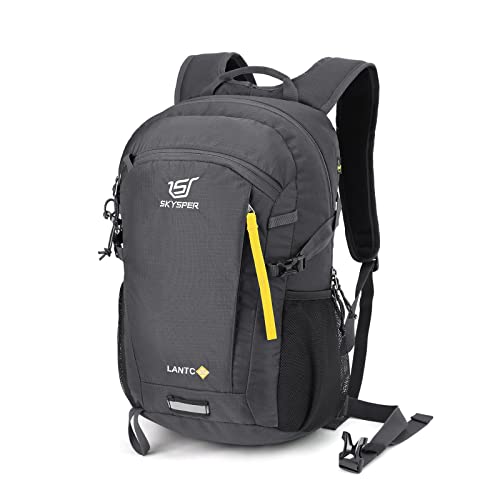
- ✓ Water-resistant and durable
- ✓ Very lightweight
- ✓ Comfortable fit
- ✕ Limited capacity for bigger gear
- ✕ Basic interior organization
| Material | 600D polyester and 210D nylon plaid fabric, water-resistant and tear-resistant |
| Capacity | 20 liters |
| Dimensions | 10.3 x 7.4 x 16.9 inches |
| Weight | 1.1 lbs (approximately 0.5 kg) |
| Features | Breathable mesh back panel, reflective design, multiple compartments, anti-theft zipper, adjustable and removable straps, safety whistle |
| Additional Safety | Outdoor emergency rescue guide included |
Imagine reaching into your bag and surprisingly finding a water-resistant pocket perfectly sized for your phone and keys—without even opening it fully. That was my first real moment with the SKYSPER 20L Hiking Backpack.
I didn’t expect such thoughtful organization from a compact pack, especially at this price point.
The material feels sturdy right out of the box. Made from high-density 600D polyester and 210D nylon plaid fabric, it’s clearly built to withstand the elements and daily wear.
The water-resistant feature gave me confidence during light rain, and I appreciated the reinforced stress points and shoulder straps that didn’t feel flimsy at all.
What surprised me most was how lightweight it is—just over a pound—yet still quite durable. The breathable mesh back and grooved carrying system made carrying it for hours comfortable, even during warmer days.
Plus, the reflective accents gave me a sense of safety for night walks or early morning starts.
It’s not just about comfort; the design is practical too. The multiple compartments kept my essentials organized, and the anti-theft zipper added peace of mind.
I especially liked the detachable straps and the adjustable chest strap, which made customizing the fit effortless. The included safety whistle was a nice touch, reminding me it’s made for real outdoor adventures.
Whether I was heading out for a quick hike, a city stroll, or an overnight trip, this backpack adapted easily. Its simple yet stylish look, with bold yellow webbing and contrast embroidery, makes it versatile enough for different occasions.
For its size, it packs a lot of functional features without feeling bulky.
UtiaMiaoGonGo 15L Lightweight Foldable Hiking Backpack Blue

- ✓ Comfortable ergonomic straps
- ✓ Smart, accessible pockets
- ✓ Compact and foldable design
- ✕ Limited color options
- ✕ Slightly small capacity
| Capacity | 15 liters (expandable to accommodate additional gear) |
| Material | Rip-stop nylon with spandex fabric accents |
| Dimensions (Unfolded) | 17.3″ H x 10.6″ L x 5.5″ W (44 x 27 x 14 cm) |
| Folded Size | 8.3″ x 7.5″ x 6.3″ (21 x 19 x 16 cm) |
| Weight | 13.4 ounces (380 grams) |
| Features | Ergonomic adjustable shoulder straps with zippered pocket and drawstring pocket, reflective strips for safety, reinforced stitching, SBS zippers, adjustable chest strap with survival whistle |
As I slip this lightweight blue pack onto my shoulders, I immediately notice how snug and comfortable the ergonomic straps feel, especially with the secure zippered pocket for my phone and the quick-access drawstring pocket. It’s like having a mini organizer right where I need it, perfect for grabbing snacks or keys without taking the bag off.
The compact folding design surprises me—it’s barely noticeable when packed, fitting easily into my suitcase or car glove compartment. When I unfold it, the sturdy rip-stop nylon feels tough but lightweight, making it ideal for spontaneous hikes or day trips.
The reinforced stitching and smooth SBS zippers give me confidence that this bag will hold up through many adventures.
What I really love are the smart storage options: the two main compartments keep my clothes and gear neatly separated, while the expandable front pocket is perfect for a quick-drying towel or jacket. The hidden back pocket is a nice touch for my wallet, and the mesh side pockets hold my water mug and umbrella securely.
Adjusting the chest strap is a breeze, and I appreciate the built-in survival whistle—just in case. The reflective strips add a layer of safety for evening walks, which is a thoughtful addition.
Overall, this backpack feels durable, versatile, and just the right size for everyday outdoor activities or travel.
Whether I’m hiking, biking, or exploring new cities, it’s become my go-to lightweight companion. It’s comfortable, practical, and thoughtfully designed for women on the move, making outdoor adventures way easier.
Sunhiker 20L Hiking Backpack for Men & Women

- ✓ Lightweight and compact
- ✓ Durable nylon build
- ✓ Comfortable breathable straps
- ✕ Limited capacity
- ✕ No hydration reservoir pocket
| Material | Nylon Fabric with waterproof coating |
| Capacity | 20-25 liters |
| Dimensions | 40 x 24 x 15 cm (15.8 x 9.4 x 5.9 inches) |
| Weight | 12.3 oz (approximately 350 grams) |
| Compartments | 3 main compartments including a computer sleeve, 2 mesh side pockets |
| Straps | Adjustable shoulder, chest, and waist straps with breathable mesh padding |
As soon as I picked up the Sunhiker 20L hiking backpack, I was struck by how perfectly compact and lightweight it feels in hand. Unlike bulkier packs I’ve tested, this one manages to pack a surprising amount of organization into a small frame.
It’s just big enough to hold your essentials without feeling cumbersome or heavy.
The nylon fabric immediately caught my attention—it’s smooth, durable, and feels quite sturdy for such a light pack. The waterproof coating is a real plus, especially when unexpected rain catches you off guard.
I found it easy to wipe clean after a day of use, and its abrasion resistance held up well after a few trips on rocky trails.
The design is thoughtful, with breathable mesh padding on the back and shoulder straps making it comfortable to wear for extended periods. The adjustable chest and waist straps help stabilize the pack, so it feels secure when you’re moving fast.
I especially appreciated the three compartments and two mesh side pockets; everything stayed organized and accessible, even on the go.
The main pocket fits a small tablet or a water bottle, which is perfect for day hikes or quick errands. The smaller compartments are ideal for keys, snacks, or a light jacket.
It’s versatile enough for outdoor adventures, city outings, or even theme park visits—just what you need when you want to travel light.
Overall, this pack strikes a great balance between size, durability, and comfort. It’s an ideal choice if you prefer a smaller, reliable bag that won’t weigh you down but still keeps your essentials within reach.
ZOMFELT 15L Water-Resistant Foldable Hiking Backpack

- ✓ Compact and lightweight
- ✓ Spacious enough for essentials
- ✓ Durable, quick-drying fabric
- ✕ Small capacity limits gear
- ✕ Not suitable for heavy loads
| Capacity | 15 liters |
| Material | Rip-stop nylon |
| Weight | 0.63 pounds (approximately 285 grams) |
| Dimensions (Unfolded) | 10.2 x 6.2 x 15.4 inches |
| Dimensions (Folded) | 5.9 x 6.7 inches |
| Features | Water-resistant, foldable, ergonomic design with breathable straps |
Pulling this tiny backpack out of my bag felt like revealing a secret weapon. Its sleek, foldable design immediately caught my eye, and I couldn’t wait to see if it lived up to its promises.
Once unfolded, I noticed how surprisingly spacious the main compartment was. It easily held my essentials—snacks, a small jacket, and even a compact water bottle.
The two quick-access front pockets proved perfect for my phone and keys, making everything easy to grab during a quick break.
The rip-stop nylon fabric feels tough yet lightweight, which is a huge plus on busy days. It resisted scratches and dirt, and I appreciated how quickly it dried after a light drizzle.
The silky-smooth zippers glided effortlessly, even when I had my hands full.
What really sold me is how comfortable it felt on my back. The ergonomic design distributes weight evenly, and the breathable straps kept me cool during hot walks.
I could adjust the straps easily, which helped prevent bouncing on my bike rides.
Folding it back into a tiny pouch took seconds, and it slipped easily into my larger backpack or coat pocket. Whether for travel, hiking, or just daily errands, it’s incredibly versatile.
Plus, the bright color options make it a cheerful accessory or gift.
Overall, this little pack punches above its weight. It’s perfect for spontaneous adventures or as an emergency backup.
For such a small price, it’s hard to find a better combo of convenience and durability.
What Features Should You Prioritize in the Best Women’s Small Hiking Backpack?
When selecting the best women’s small hiking backpack, certain features are essential for comfort, functionality, and convenience.
- Fit and Design: A well-fitting backpack is crucial, especially for women, as they often have different body shapes compared to men. Look for models that are designed specifically for women, with adjustable straps and a contoured shape that conforms to the back and shoulders.
- Weight: The weight of the backpack itself can significantly affect your hiking experience. Lightweight materials help reduce the overall burden, allowing for longer hikes without fatigue, making it easier to carry essential gear.
- Storage Compartments: A good small hiking backpack should have multiple compartments for organization. Look for a main compartment, side pockets for water bottles, and smaller pockets for items like keys, snacks, or a first-aid kit, ensuring easy access to essentials on the trail.
- Hydration Compatibility: Many small hiking backpacks come with hydration reservoir sleeves or have a place to hold water bottles. Staying hydrated is critical during hikes, so consider a backpack that allows for easy access to water while on the move.
- Durability and Weather Resistance: The materials of the backpack should be durable and able to withstand the elements. Look for water-resistant fabrics and reinforced stitching to ensure it can handle rough terrain and unexpected weather changes.
- Comfort and Padding: Padded shoulder straps and back panels enhance comfort during long hikes. Consider backpacks with breathable mesh to promote ventilation, reducing sweat and discomfort on warm days.
- Adjustable Features: Adjustable straps, including hip belts and sternum straps, help distribute weight evenly and stabilize the load. This feature is especially important for maintaining balance and comfort while navigating uneven terrain.
- Style and Color Options: While functionality is key, having a backpack that reflects personal style can also be a priority. Many brands offer a variety of colors and designs, allowing you to choose one that suits your taste while still meeting your hiking needs.
How Do Weight and Size Impact Your Hiking Comfort?
Weight and size play crucial roles in determining your hiking comfort, especially when selecting the best women’s small hiking backpack.
- Weight of the Backpack: The weight of your backpack can significantly affect your stamina and overall hiking experience. A lighter backpack reduces strain on your back and shoulders, allowing you to hike longer distances with less fatigue.
- Size and Fit: The size of the backpack needs to match your body size and shape to ensure proper weight distribution. A well-fitted backpack minimizes bouncing and shifting, which can lead to discomfort and distractions while hiking.
- Capacity: The capacity of the backpack, typically measured in liters, dictates how much gear you can carry. A small capacity backpack is ideal for day hikes, allowing you to carry essentials without overloading yourself, thus enhancing comfort.
- Weight Distribution: How the weight is distributed within the backpack affects your center of gravity. A good design helps keep heavier items closer to your back, improving balance and reducing the risk of injury.
- Material and Design: The materials used in the backpack can influence its weight and comfort. Lightweight, breathable fabrics can enhance comfort, while ergonomic designs support your back and shoulders, making long hikes more enjoyable.
Why is Fit and Adjustability Crucial for a Small Backpack?
Fit and adjustability are crucial for a small backpack because they ensure comfort, stability, and optimal load distribution during hiking activities. A well-fitted backpack minimizes the risk of discomfort and injury, which is particularly important for women, who may have different body shapes and sizes compared to men.
According to a study published in the Journal of Sports Sciences, proper backpack fit significantly affects a hiker’s performance and fatigue levels. The research emphasizes that a backpack that conforms to the wearer’s body shape enables better weight distribution, which directly influences the efficiency of movement and reduces strain on the back and shoulders.
The underlying mechanism involves the alignment of the backpack’s center of gravity with the hiker’s body. When a small backpack fits well and can be adjusted appropriately, it allows the user to maintain better posture and balance. This is particularly important on uneven terrain, where stability is essential to prevent falls and injuries. Additionally, adjustable features like straps and hip belts are designed to accommodate various body types, ensuring that the load remains close to the body, thereby enhancing control and reducing the energy expenditure required for hiking.
What Materials Should a High-Quality Small Hiking Backpack Be Made Of?
The materials of a high-quality small hiking backpack play a crucial role in its durability, comfort, and functionality.
- Nylon: Nylon is a popular choice for hiking backpacks due to its strength and resistance to abrasion. It is lightweight yet durable, making it ideal for carrying heavy loads while maintaining comfort during long hikes.
- Polyester: Polyester is another commonly used fabric that offers excellent weather resistance and UV protection. It tends to be slightly heavier than nylon but provides good durability and is often treated to enhance water resistance.
- Ripstop Fabric: Ripstop fabric is designed with a special reinforcing technique that makes it resistant to tearing and ripping. This material is particularly beneficial for small hiking backpacks as it can withstand rough handling and challenging outdoor conditions.
- Waterproof Coating: A waterproof coating, such as polyurethane or silicone, is essential for keeping your gear dry during unexpected rain. This coating is often applied to the exterior fabric, ensuring that moisture does not seep into the backpack.
- Mesh: Mesh is often used in areas such as the back panel and shoulder straps to enhance breathability and comfort. It allows for air circulation, reducing sweat accumulation during hikes and making the backpack more comfortable to wear over extended periods.
- Foam Padding: Quality foam padding is crucial for areas that contact the body, such as the shoulder straps and back panel. This padding provides cushioning, enhancing comfort and reducing pressure points while carrying the backpack.
- Heavy-Duty Zippers: High-quality zippers are essential for ensuring the backpack opens and closes smoothly while providing security for your gear. Look for zippers that are water-resistant or equipped with storm flaps for added protection against the elements.
How Do Small Hiking Backpacks Benefit Women Hikers?
The compact size enhances maneuverability, which is crucial for navigating challenging terrains where larger backpacks might impede movement.
Ergonomic fit ensures that the weight is distributed evenly across the body, reducing strain and discomfort during long hikes, which is particularly important for women who may have different torso lengths and shapes.
Versatile storage options in small hiking backpacks keep gear organized and easily accessible, helping hikers to find what they need quickly without having to dig through a large pack.
Stylish designs appeal to personal preferences, making the hiking experience not only functional but also enjoyable, as women can choose packs that reflect their style and personality.
What Are the Advantages of Lightweight Design for Hiking?
- Reduced Physical Strain: A lightweight design minimizes the burden on the hiker’s back and legs, allowing for longer hikes without fatigue. This is especially important for women or individuals with smaller frames, as they may struggle more with heavier packs.
- Increased Mobility: Lighter backpacks allow for greater freedom of movement, making it easier to navigate difficult terrain or move quickly when necessary. This enhanced agility can be crucial in both recreational hiking and more challenging scenarios.
- Enhanced Comfort: Lightweight materials often come with ergonomic designs that improve comfort levels. Well-padded straps and breathable fabrics can reduce chafing and overheating, making the hike more enjoyable.
- Better Packing Efficiency: A lightweight design often encourages smarter packing, as hikers are more mindful of what they carry. This can lead to a more organized backpack, ensuring that essential items are easily accessible while reducing unnecessary weight.
- Improved Endurance: Carrying less weight allows hikers to maintain their stamina over longer distances. This is particularly beneficial on multi-day hikes where energy conservation is key to enjoying the journey and reaching the destination.
- Versatility: Lightweight backpacks are often designed with versatility in mind, featuring adjustable straps and multiple compartments. This adaptability makes them suitable for various hiking scenarios, from day trips to overnight excursions.
How Can Compact Storage Solutions Enhance Your Outdoor Experience?
Compact storage solutions can significantly improve your outdoor experience by providing convenience and efficiency during your hikes.
- Lightweight Design: A small hiking backpack is typically designed to be lightweight, reducing the overall burden on your back while hiking. This allows for longer treks without fatigue, as you can carry only the essentials without unnecessary weight.
- Efficient Space Utilization: Compact backpacks usually feature multiple compartments and pockets, enabling you to organize your gear effectively. This means you can easily access items like snacks, water bottles, or first-aid kits without rummaging through everything, enhancing your hiking experience.
- Comfortable Fit: The best women’s small hiking backpacks are designed with ergonomic considerations, often including padded straps and back panels. A comfortable fit ensures that you can hike for extended periods without discomfort, allowing you to focus more on your surroundings rather than on any physical strain.
- Versatile Use: These backpacks are not only suitable for hiking but can also be used for various outdoor activities like day trips, picnics, or traveling. Their versatility means that you can invest in one bag that serves multiple purposes, making it a practical choice for outdoor enthusiasts.
- Weather Resistance: Many small hiking backpacks come with water-resistant materials or built-in rain covers, protecting your gear from unexpected weather changes. This feature ensures that your belongings remain dry and safe, allowing you to enjoy your outdoor adventures without worrying about the elements.
What Are the Best Brands to Consider for Women’s Small Hiking Backpacks?
Some of the best brands to consider for women’s small hiking backpacks include:
- Osprey: Known for their high-quality and comfortable designs, Osprey offers a range of small hiking backpacks specifically tailored for women. Their packs often feature an adjustable torso length, ventilation systems, and ergonomic harnesses, making them ideal for day hikes and short trips.
- Deuter: This brand is celebrated for its durable construction and thoughtful features in women’s hiking backpacks. Deuter’s small packs often include a custom fit for women’s anatomy, multiple compartments for organization, and hydration system compatibility, ensuring convenience on the trail.
- REI Co-op: Offering a variety of women’s small hiking backpacks at affordable prices, REI Co-op is a go-to for outdoor enthusiasts. Their packs are designed with practicality in mind, featuring lightweight materials, sufficient storage, and comfort-focused designs, making them suitable for both casual and serious hikers.
- The North Face: This well-known outdoor brand provides women’s small hiking backpacks that combine style with functionality. The North Face packs often feature weather-resistant materials, comfortable straps, and smart pocket arrangements, allowing for easy access to gear during hikes.
- Gregory: Gregory is recognized for their women’s-specific fit and innovative design in hiking backpacks. Their small packs often include features like adjustable suspension systems, breathable back panels, and various attachment points for gear, making them versatile for different hiking conditions.
Which Brands Are Renowned for Their Quality and Innovation?
When searching for the best women’s small hiking backpacks, several brands stand out due to their commitment to quality and innovation. Here are some of the most respected names in the industry:
-
Osprey: Known for their ergonomic designs, Osprey offers a variety of small hiking backpacks that prioritize comfort and fit. Their women’s-specific models feature an adjusted harness and hip belt, ensuring a better carry.
-
Gregory: This brand excels in women’s backpack designs tailored for smaller frames. Gregory backpacks often include features such as adjustable torso lengths and breathable back panels for enhanced comfort.
-
Deuter: A legacy brand in outdoor gear, Deuter prides itself on durability and functionality. Their women’s backpacks come equipped with innovative weight distribution systems, making them ideal for extended hikes.
-
REI Co-op: Offering great value and versatility, REI’s own brand produces reliable small hiking backpacks that often incorporate environmental sustainability in their materials and production processes.
-
North Face: Their small hiking backpacks balance rugged build quality with stylish designs, making them a popular choice among female hikers.
Choosing from these brands can significantly enhance your hiking experience, thanks to their focus on female-specific needs and the incorporation of the latest advancements in backpack technology.
What Unique Features Do Top Brands Offer in Their Models?
Top brands in women’s small hiking backpacks provide unique features that enhance functionality, comfort, and style.
- Adjustable Suspension Systems: Many brands incorporate adjustable suspension systems that allow users to customize the fit according to their torso length. This feature ensures better weight distribution and comfort, which is crucial for longer hikes.
- Hydration Reservoir Compatibility: Several top models come with built-in compartments for hydration reservoirs, making it easy to stay hydrated on the go. This feature often includes hose routing systems that allow for convenient sipping without needing to stop.
- Multiple Pockets and Compartments: A variety of pockets, including stretch mesh side pockets and zippered hip belt pockets, are designed for easy access to essentials. This organization helps keep gear in place and allows for quick retrieval during hikes.
- Lightweight Materials: Leading brands often use advanced lightweight materials that provide durability without adding unnecessary weight to the backpack. This is particularly important for maintaining agility and comfort on longer treks.
- Ventilated Back Panels: Many models feature ventilated back panels that promote airflow and reduce sweat buildup. This design enhances comfort during strenuous activities, particularly in warm weather conditions.
- Eco-Friendly Materials: Some brands focus on sustainability by using recycled or eco-friendly materials in their backpack construction. This not only appeals to environmentally conscious consumers but also contributes to reducing the overall impact on the planet.
- Reflective Elements: Safety features such as reflective elements are included in many models for visibility during low-light conditions. This is especially beneficial for hikers who may find themselves on the trail during dawn or dusk.
- Customizable Straps: Some backpacks offer customizable straps that can be adjusted for a secure fit, ensuring that the backpack stays in place during movement. This feature is essential for maintaining balance and comfort when navigating uneven terrain.
- Integrated Rain Covers: Many top brands include integrated rain covers that provide additional protection against the elements. These covers are typically stored in a dedicated pocket, making them easily accessible when unexpected weather arises.
Which Small Hiking Backpack Models Are Highly Recommended by Experts and Users?
Experts and users frequently recommend the following small hiking backpacks for women:
- Osprey Tempest 20: This lightweight and versatile backpack is praised for its comfortable fit and excellent ventilation.
- Deuter Futura Vario 50+10 SL: Known for its ergonomic design, this backpack provides ample storage and support for day hikes.
- REI Co-op Flash 22: This pack is celebrated for its simplicity and durability, making it a great choice for short trips.
- Gregory Jade 28: With its adjustable torso length and multiple compartments, this backpack offers a personalized fit and easy organization.
- North Face Borealis: This model is favored for its stylish design and practical features, including multiple pockets and a comfortable suspension system.
The Osprey Tempest 20 is particularly favored for its lightweight construction and the AirScape back panel that enhances breathability, making it ideal for warm weather hikes. It also has an adjustable harness and hip belt to ensure a secure and comfortable fit.
The Deuter Futura Vario 50+10 SL stands out due to its SL (short length) design, which is specifically tailored for women’s anatomy, providing better load distribution. Its multiple pockets and hydration system compatibility add to its appeal for longer day hikes or overnight trips.
The REI Co-op Flash 22 is a minimalist option that is easy to pack and carry. It features a streamlined design with a large main compartment and stretch pockets, making it perfect for quick outings where you only need to carry essentials.
Gregory Jade 28 is designed with an adjustable torso length, accommodating different body types while ensuring comfort with its padded back and harness. The various compartments and pockets allow for organized packing, which is especially useful on longer hikes.
The North Face Borealis combines functionality with style, offering a spacious main compartment and external pockets for organization. Its FlexVent suspension system provides support and comfort, making it suitable for both casual and more strenuous hikes.
What Models Offer the Best Reviews from Real Hikers?
Several models stand out as the best women’s small hiking backpacks based on real hiker reviews:
- Osprey Talon 6: This backpack is praised for its lightweight design and exceptional comfort, making it ideal for short hikes. It features a ventilated mesh back panel and adjustable harness, ensuring a secure fit while keeping you cool.
- Deuter Speed Lite 20: Known for its durability, the Speed Lite 20 offers ample storage space in a compact form. Hikers appreciate its easy-access front pocket and hydration system compatibility, perfect for day trips.
- REI Co-op Flash 22: This versatile backpack is highly regarded for its minimalist design and functionality. It includes a large main compartment and multiple pockets, all while being made from sustainable materials, which appeals to environmentally conscious hikers.
- Gregory Nano 18: With a focus on organization, the Nano 18 features multiple compartments and a front stretch pocket for quick access to essentials. Hikers love its comfortable fit and the ability to compress the pack when not fully loaded.
- North Face Borealis Mini: This small backpack stands out for its stylish design and practical features, including a padded laptop sleeve and external bungee system for extra gear. Reviewers highlight its comfort and suitability for both hiking and everyday use.
How Do Pricing and Features Compare Across Popular Models?
| Model | Brand | Price | Weight | Capacity | Durability | Key Features | Color Options |
|---|---|---|---|---|---|---|---|
| Model A | Brand A | $60 – Budget-friendly option | 1.5 lbs – Lightweight for easy carrying | 15L – Suitable for day hikes | Good – Made with durable materials | Hydration reservoir, multiple pockets, adjustable straps | Blue, Green |
| Model B | Brand B | $80 – Mid-range pricing | 1.8 lbs – Slightly heavier but sturdy | 20L – Offers more storage space | Excellent – High resistance to wear and tear | Water-resistant, detachable hip belt, side pockets | Black, Red |
| Model C | Brand C | $120 – Premium option | 1.3 lbs – Ultra-lightweight design | 18L – Ideal for longer hikes | Superior – Top-rated for longevity | Ventilated back panel, rain cover, chest strap | Gray, Pink |
What Maintenance Tips Should You Follow for Your Hiking Backpack?
To ensure the longevity and performance of your hiking backpack, follow these essential maintenance tips:
- Regular Cleaning: It’s important to clean your backpack after every few hikes to prevent dirt and grime buildup.
- Check for Damage: Regularly inspect your backpack for any signs of wear and tear, such as frayed straps or broken zippers.
- Proper Storage: Store your backpack in a cool, dry place to avoid mold and mildew growth.
- Water Treatment: Treat your backpack with a water-repellent spray to enhance its resistance to moisture and prolong its lifespan.
- Organize Contents: Keep your backpack organized to maintain balance and prevent unnecessary strain on the seams and zippers.
Regular Cleaning: After each adventure, it’s beneficial to clean your backpack by emptying its contents and wiping it down with a damp cloth. For deeper cleaning, you can use mild soap and water, ensuring that you rinse it thoroughly and allow it to air dry to avoid any moisture retention.
Check for Damage: Take the time to examine your backpack for any damaged areas, such as holes, frayed stitching, or broken buckles. Addressing these issues promptly can prevent further damage and ensure that your backpack continues to perform well during your hikes.
Proper Storage: When not in use, make sure to store your backpack in a well-ventilated area away from direct sunlight, which can cause fading and degrade materials. Keeping it in a dry environment also helps prevent the growth of mold and mildew, especially if it’s been exposed to moisture.
Water Treatment: Applying a water-repellent treatment can help maintain the waterproof capabilities of your backpack. This is especially useful for outdoor activities, as it helps protect your gear from rain and splashes, ensuring that your items remain dry and safe.
Organize Contents: Keeping your gear well-organized within the backpack not only makes it easier to access items during your hike but also helps distribute the weight evenly. This balance reduces stress on the backpack’s seams and zippers, extending its durability over time.
How Can Proper Cleaning Prolong the Life of Your Backpack?
Proper cleaning can significantly extend the lifespan of your backpack by maintaining its materials and functionality.
- Regular Dusting: Dust and debris can accumulate on your backpack, leading to wear and tear over time. Regularly dusting your backpack with a soft cloth or using a handheld vacuum helps prevent particles from embedding into the fabric.
- Spot Cleaning Stains: Addressing stains promptly prevents them from setting in. Use a mild detergent mixed with water and a soft brush to gently scrub the stained area, ensuring you don’t harm the fabric.
- Washing According to Care Instructions: Each backpack has specific care instructions that should be followed to avoid damaging it. Washing your backpack according to these guidelines, typically in cold water and air drying, helps preserve the integrity of the materials.
- Waterproofing Treatments: Many hiking backpacks are designed to be water-resistant, but over time, this feature can diminish. Applying a waterproofing spray periodically can help maintain this functionality, making sure your gear stays dry during your adventures.
- Proper Storage: Storing your backpack in a cool, dry place when not in use helps prevent mold, mildew, and fading. Avoid cramming it into tight spaces; instead, hang it or store it loosely to maintain its shape.
- Inspecting for Damage: Regularly checking your backpack for signs of wear, such as frayed straps or broken zippers, allows for early repairs. Addressing these issues before they worsen can save your backpack from further damage and prolong its use.
What Storage Techniques Help Maintain Backpack Integrity?
Several storage techniques are crucial for maintaining the integrity of a small hiking backpack.
- Proper Packing: Strategically packing your backpack ensures weight distribution and minimizes strain on zippers and seams.
- Use of Packing Cubes: Packing cubes help organize gear and reduce clutter, making it easier to find items while preventing damage to the backpack’s fabric.
- Avoid Overloading: Sticking to the recommended weight limit keeps the backpack’s structure intact and prevents wear and tear on straps and buckles.
- Regular Cleaning: Keeping the backpack clean from dirt and debris prevents fabric degradation and maintains its waterproofing capabilities.
- Storage in a Cool, Dry Place: Proper storage when not in use helps prevent mold, mildew, and degradation of materials due to moisture and heat exposure.
Proper packing involves placing heavier items at the bottom for stability and lighter items on top, which not only helps in maintaining balance while hiking but also reduces stress on the zippers and seams of the backpack.
Packing cubes are beneficial as they compartmentalize gear, making it easier to access essentials without rummaging through the entire pack, which can lead to unnecessary wear on the fabric and zippers.
Avoiding overloading is important as exceeding the backpack’s capacity can lead to compromised structural integrity, resulting in broken straps or zippers that can significantly hinder your hiking experience.
Regular cleaning of your backpack prevents dirt and grime accumulation, which can lead to fabric deterioration over time, especially in areas exposed to moisture or sweat.
Finally, storing your backpack in a cool, dry place when not in use helps protect it from environmental factors that can cause material breakdown, such as excessive humidity and heat, ensuring it remains in good condition for future hikes.
What Should You Evaluate Before Buying a Women’s Small Hiking Backpack?
Before purchasing a women’s small hiking backpack, several key factors should be considered to ensure it meets your needs.
- Size and Capacity: Evaluate the backpack’s volume, typically ranging from 10 to 30 liters, to ensure it can hold your essentials without being overly bulky. A smaller capacity is suitable for day hikes, while a slightly larger one may accommodate extra gear for longer excursions.
- Fit and Comfort: Look for a backpack designed specifically for women’s body shapes, including adjustable straps and hip belts. A proper fit is crucial for comfort during hikes, as it distributes weight evenly and minimizes strain on your back and shoulders.
- Weight: Consider the weight of the backpack itself, as a lighter pack will reduce overall load on your hike. Ideally, the backpack should be lightweight without compromising on features and durability, allowing for easier mobility.
- Material and Durability: Check the materials used in the construction of the backpack, such as nylon or polyester, which should be water-resistant and abrasion-resistant. A durable backpack will withstand the rigors of hiking and protect your gear from the elements.
- Organization and Accessibility: Assess the number of compartments and pockets available for organizing gear, such as hydration reservoirs, side pockets for water bottles, and front pockets for easy access to essentials. Good organization enhances efficiency during your hike by allowing quick retrieval of items.
- Ventilation: Look for backpacks with mesh back panels or ventilation channels that promote airflow to keep your back cool and dry. This feature is especially important during warm weather hikes to enhance comfort and reduce sweating.
- Hydration Compatibility: Ensure the backpack has a hydration reservoir sleeve or is compatible with water bladders. Staying hydrated is vital while hiking, and having an integrated hydration system makes it easier to drink on the go.
- Style and Color: Consider the aesthetic aspects that suit your personal style, as a backpack is also a reflection of your taste. Choosing a color or design you like will make your hiking experience more enjoyable, as you’ll be using the pack frequently.
How Can You Ensure the Backpack Meets Your Specific Hiking Needs?
To ensure the backpack meets your specific hiking needs, consider the following factors:
- Capacity: The size of the backpack should align with the duration of your hike and the amount of gear you need to carry.
- Weight: A lightweight backpack is essential for comfort, especially on longer hikes where every ounce matters.
- Fit and Comfort: The backpack should have adjustable straps and a design that fits your body shape, providing comfort and stability during your hike.
- Durability: Look for materials that can withstand rough conditions, as a durable backpack will last longer and protect your gear.
- Features: Consider additional features like hydration reservoir compatibility, multiple compartments, and weather resistance that can enhance your hiking experience.
Capacity: The capacity of the backpack is crucial, particularly for women who may prefer smaller packs for day hikes. A capacity of 20-30 liters is generally ideal for short trips, allowing enough space for water, snacks, and other essentials without being cumbersome.
Weight: A lightweight design is important to minimize strain and fatigue. A heavy backpack can negatively impact your energy levels and enjoyment, especially over long distances, so aim for packs that use lightweight materials without sacrificing durability.
Fit and Comfort: A well-fitting backpack can make a significant difference in your hiking experience. Look for backpacks with adjustable shoulder straps, hip belts, and sternum straps that help distribute weight evenly and reduce pressure points.
Durability: The material and construction of the backpack should be able to withstand various outdoor conditions. Fabrics like nylon or polyester are commonly used because they are resistant to tearing and abrasion, ensuring that your backpack can handle rough terrain and weather.
Features: Additional features can greatly enhance functionality. Hydration reservoirs and tube ports are convenient for staying hydrated, while multiple compartments help organize gear, making it easy to access items quickly during your hike.
What Are Common Return Policies and Warranties Offered by Brands?
Common return policies and warranties offered by brands often vary but generally include the following:
- 30-Day Return Policy: Many brands offer a standard 30-day return window during which customers can return items for a full refund or exchange. This policy usually requires the items to be in their original condition, with tags attached, and may exclude certain sale items.
- Lifetime Warranty: Some outdoor brands provide a lifetime warranty on their products, ensuring that they will repair or replace any defective items for the life of the product. This warranty often covers manufacturing defects but may not include wear and tear from regular use.
- Free Return Shipping: Many companies now offer free return shipping as part of their return policy, making it more convenient for customers to return items that don’t meet their expectations. This service is appealing as it reduces the financial burden of returning products.
- Exchanges Only for Certain Items: Certain brands may have a policy that allows exchanges but not returns, especially for items that are hygienically sensitive, like undergarments or swimwear. This policy emphasizes the importance of trying items on before purchasing.
- Seasonal Returns: Some brands adopt seasonal return policies, allowing returns for items bought during a specific holiday season to be returned after the holiday. This is particularly common around major holidays like Christmas, where customers may want to return gifts.